
Where One Ticket on the TranzAlpine Took Me
A Scenic Plus seat, a chaotic dining car and the resistance that finally had a name
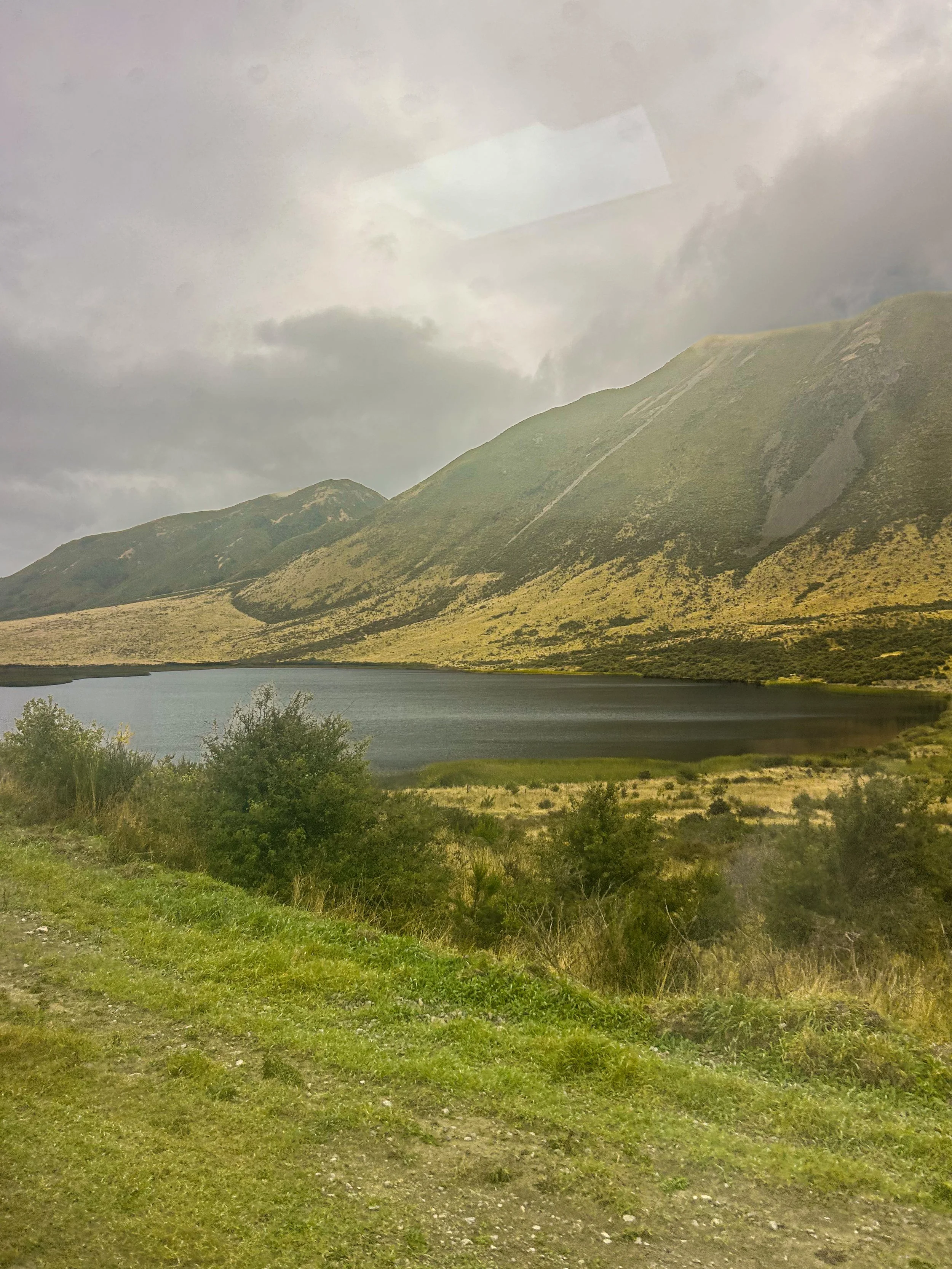
I had big plans to write my way across New Zealand’s South Island on the grand TranzAlpine train. Ever since I booked my ticket for what’s largely considered one of the world’s most spectacular train rides, I had this uncontainable, romanticized idea that I would write a special edition Tessera series from faraway glamorous railways.
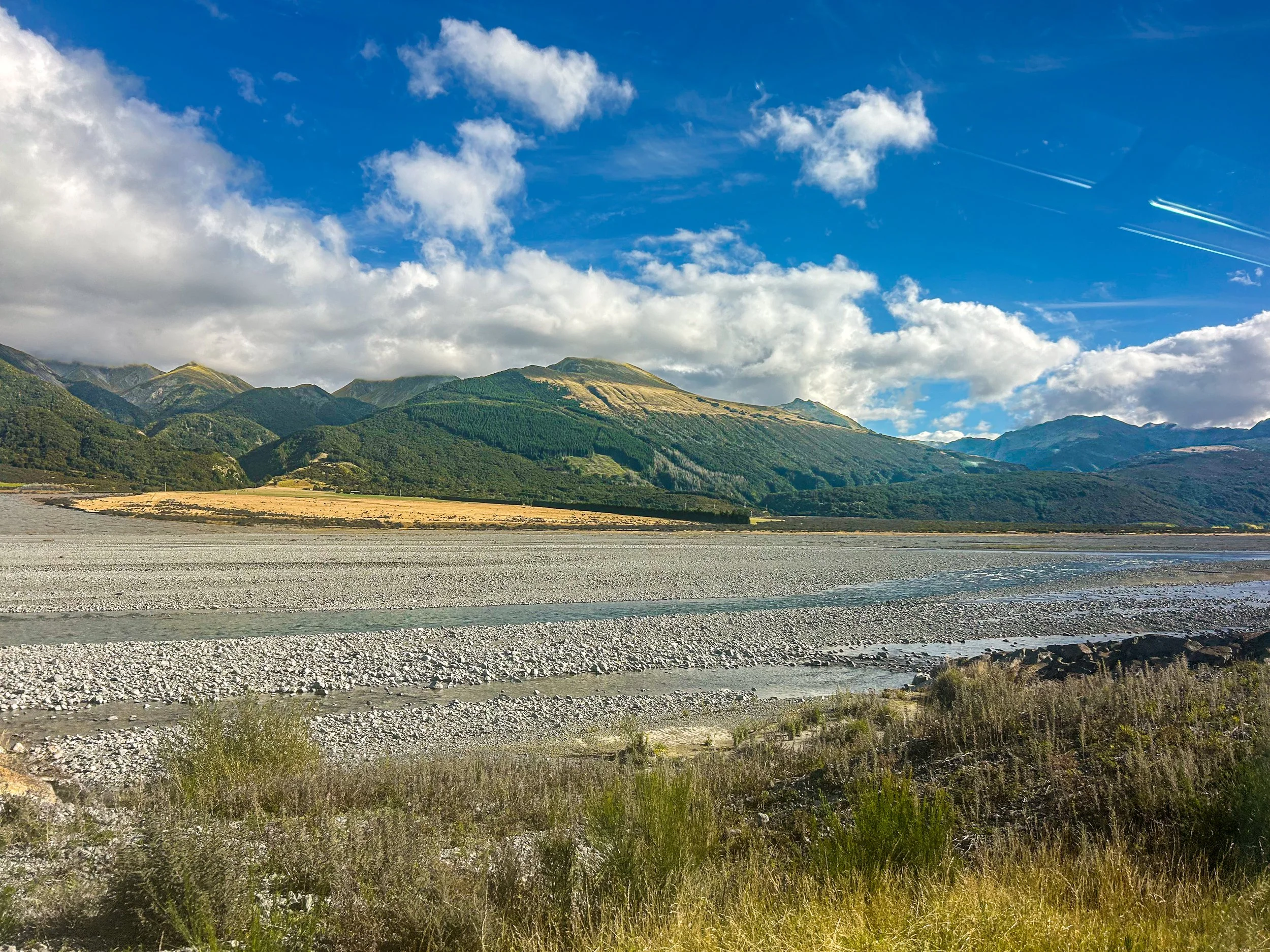
This Tessera 54 blog would have been the launch of Movement as Metaphor. Within it, I was planning on documenting moments of self-discovery and taste across a day of travel that stretched from Christchurch through New Zealand’s soaring Southern Alps to the somewhat forgettable blue-collar town of Greymouth on the other side of the island.
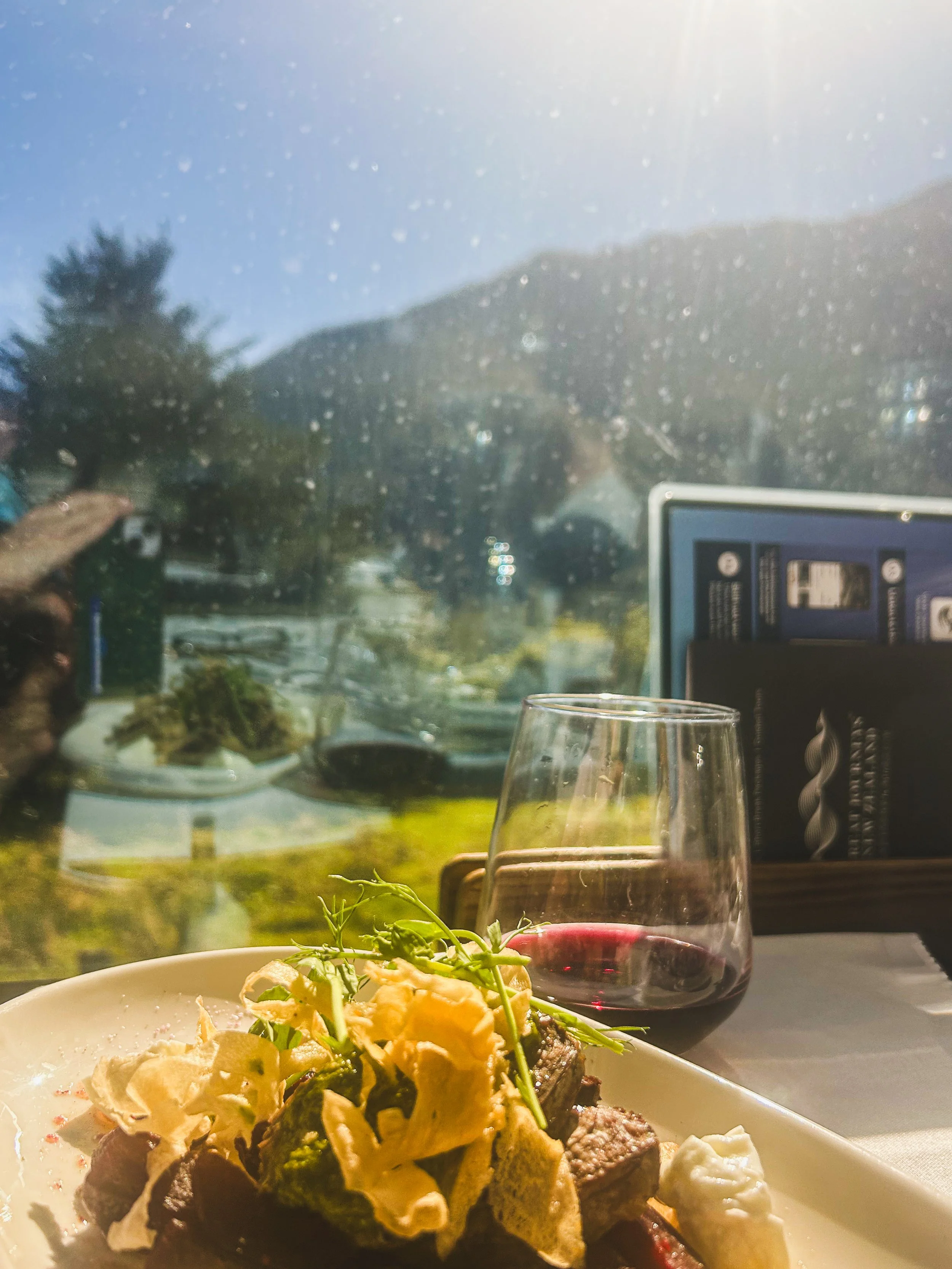
In support of the writing bonanza that the journey was set to inspire, I had booked the Scenic Plus upgrade which came with white tablecloth service and local food and wine pairings. Each, I assumed, would sustain and pamper my creativity across the eleven-hour round-trip journey.
But before the TranzAlpine train had even left the station, it became abundantly clear I wasn’t going to write and taste in peace – at least not on this first leg of the journey.
As so many international travel stories do, mine starts with an obtuse, loud and bossy American woman who by both the volume of her voice and the way she spoke to those around her – must have actually believed the world revolved around her.
It was made known to anyone within earshot that her party had been split up. She then acted with an unwieldy recklessness to get the couple she had been separated from moved to her four-top – the bay across the aisle from mine. Never mind this meant uprooting an extremely fragile woman who looked to be in her nineties.
Just as all of this was unfolding, I got a piece of good news. The seat next to mine would remain unoccupied. Maybe I could write after all?
But before I could celebrate the win, my new seatmate, having arrived just seconds before, lost her cell phone. The first time I ever laid eyes on her, she was under our table crawling in a frantic, contorted search for her device. With her husband feigning indifference, it wasn’t long before I too was down under the table helping her look.
This is going to be a real interesting ride, I thought.
Meanwhile, the American next door was growing madder and meaner. She fired off a series of condescending quips to her quiet, shrinking husband. Each elicited palpable empathy from anyone seated around him. We shuddered with and for him when through gritted teeth in sharp staccato rage she exploded, “get up. Just go away. GET UP.” A loud slap on his leg punctuated the ugliness of her command.
As time would tell, he would turn out to be the quietest of the foursome, which made his half-hearted response all the more memorable and defiant, “why don’t you just get up, get out.” The words trailing off as he stood up in what I can only imagine was routine, familiar defeat.
Taste was no match for the events that had descended upon us before departure. Where some blame could be placed on the kitchen itself, it was good in an unremarkable kind of way, I honestly can’t remember much about the four courses. I do remember being grateful for the extra glass of wine I was poured in between the lamb and a forgettable dessert.
While the American woman’s approach was neither right nor kind, it was successful.
But everything about it repulsed and agitated me. It reminded me of the ugly American stereotype I had been working so hard to prove wrong since I got here.
I had just spent two weeks traveling the North Island, representing and advocating for the half of my country whose values I still deeply believed in. I considered on more than one occasion if I should just emotionally defect and say I was from Canada.
The Kiwis, however, were nothing but generous with their open-mindedness and inclusivity. It says a lot about New Zealanders that on every occasion, they played back, without fail, a version of “a people are not their leader.”
I looked across to the four-top next to me. I winced at the loud, brash bullying behavior, entitlement and privilege on sickening display. I pictured that 90-year-old woman shuffling slowly away from the chaos of seat-swapping.
The metaphor was deafening.
While this route was to be my inaugural run for the Movement as Metaphor series, this was far from the metaphor I wanted to write about. My preliminary railway research had been so inspiring. And these conditions were anything but. They were never going to lend themselves to purposeful reflection. Exasperation maybe, but inspiration, hell no.
After all, I had been dreaming of twisting and turning through Southeast Asia and the five “Stans” (Kazakhstan, Kyrgyzstan, Tajikistan, Turkmenistan, Uzbekistan), crossing the barren but beautiful continent of Australia and zipping among the awe-inducing landscapes of Europe and Peru.
I would book a window seat, gaze upon lush, foreign lands and write from the innermost depths of my soul. I would sip on coffee, nibble on scones, and as morning turned to night I’d edit a hard day’s work with a glass of bubbles in hand.
But after all of this?
Never mind that I’m not independently wealthy and that these more ambitious multi-day itineraries cost an exorbitant amount of money. On March 20, from seat 10C, I had planned to write over and around that inconvenient fact on nothing but blind, delusional faith. I’ll figure it out, I thought, expecting to book my next train excursion by day’s end. The universe will provide.
And the universe did.
But not in the way I was hoping and dreaming it would.
Until and unless Belmond comes calling with a once-in-a-lifetime brand partnership deal to which I will promptly and unquestionably say yes, my writing will continue to source its inspiration as it has. And I’m okay with that.
Really, I am.
Well, kind of.
When it comes to Tessera 54, it’s clear to me now and I wouldn’t have it any other way, that my day on the TranzAlpine train had very little to do with the bites and sips that landed in front of me.
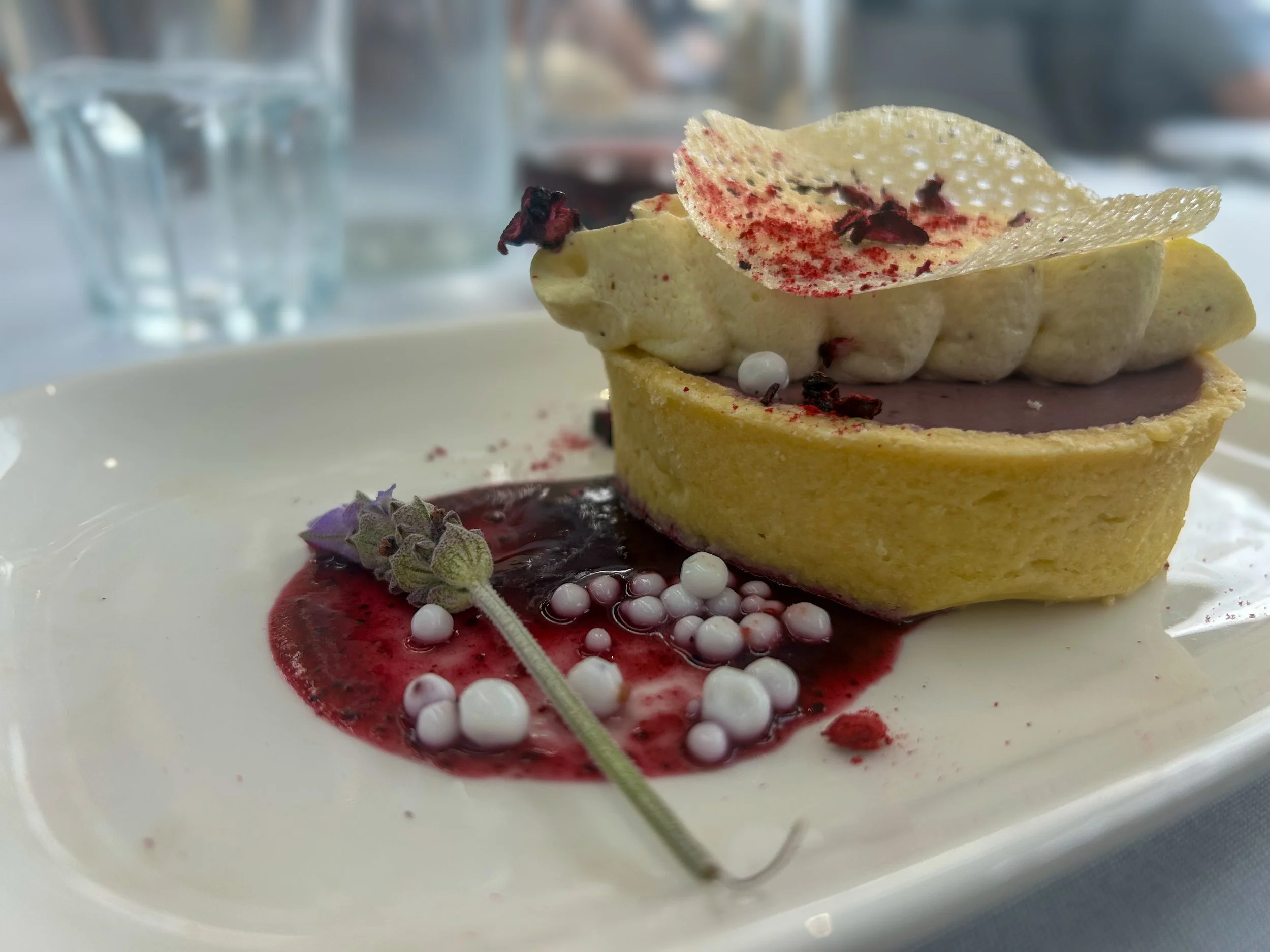
While the afternoon brought more locally inspired plates – a sausage roll, pate and cheese, roast chicken and a blueberry tart, each paired with more whites and reds from the region, Taste, my compass was directing me somewhere else altogether.
What surfaced from my journey instead, as we sped through the South Island’s disparate climates and terrains, was the cost I’d really need to pay for clarity. By the time I had disembarked in Christchurch, I didn’t just have a day trip’s worth of scenic snapshots and musings, for the first time, I had a clear picture of what I really had to confront to keep moving forward. Resistance.


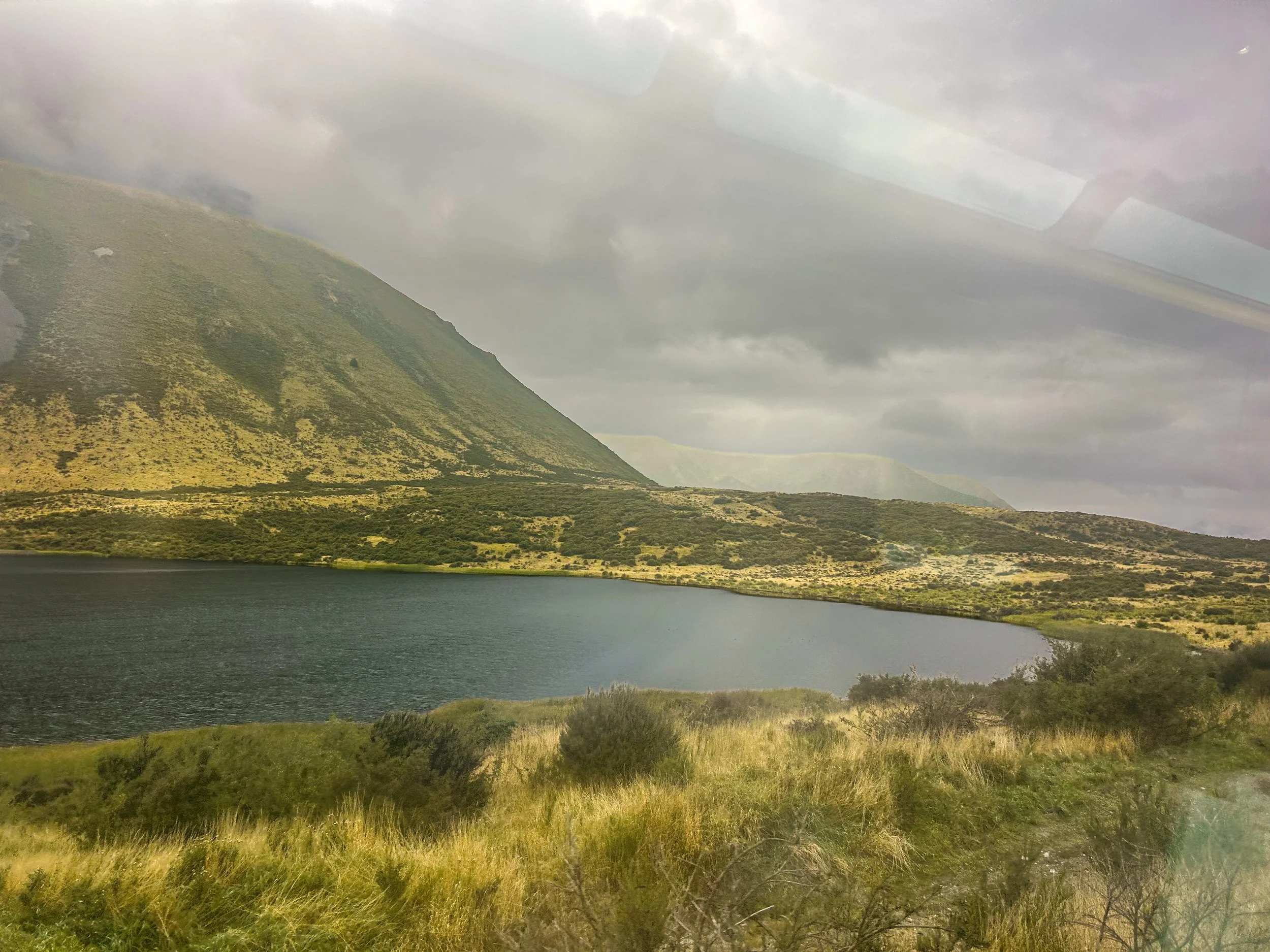
I’m not too surprised that the concept of resistance reemerged less than a month after reading Stephen Pressfield’s War of Art. Initially, in my overly self-assured (defensive) way I had dismissed any notion that resistance could possibly ever be at play in my life and work. But then somewhere, at some point on the trip back to Christchurch I heard “it” in my voice. As I clumsily talked through future plans with my delightful inbound seat companions, resistance was impossible to ignore.
I could see I was in denial and terrified of the rejection that might come from putting my whole self out there. I had been self-sabotaging promotion of my writing and The Untethered Traveler because I was afraid of what would happen if I really went all in.
It took the universe sitting me in front of this lovely couple to get my heart to admit and act on that. They were celebrating his 70th birthday. They were well-traveled, fun-loving conversationalists, both general practitioners and, by all accounts, just really good people. I didn’t need to spin anything for them.
Just before departing Greymouth, I had changed my seat to catch the views from the other side of the car. As it turns out, in going from seat 3A to seat 3D, from the north-side to the south-side of the train, I had come to sit in front of the very people and the very questions I needed to encounter.

Somewhere on the four and a half hour ride from Christchurch to Greymouth
I had come to New Zealand to get serious about what I really wanted to create. But what I had really needed to understand was what had been holding me back from meaningful progress. Now I could finally see that it was time to direct the strength of my fullest capabilities toward my fullest potential.
Maybe I wouldn’t be boarding Belmond’s Royal Scotsman any time soon but I knew this afternoon’s insight and this nudge would carry me places that no opulent train ride ever could.
I was thankful the tone of my experience had shifted so dramatically on the way back. And while the Movement as Metaphor series might be on hold, I am not going to let one difficult morning derail it.
As it turns out, all I needed was a fresh set of seat companions to remind me what I thought train travel could really be about.
Wherever we are in the world, isn’t that always the case? I must remember that.
I also had to remind myself, sometimes the best plans and the biggest lessons are the ones we let spiral out and away from us.
This day certainly had done that again and again.
Even still, I wasn’t stepping off that train depleted and empty. I was stepping off charged up and ready to set it all in motion.
As the train was emptying out for the day back in Christchurch, the husband of the lovely couple I had so enjoyed riding with realized he had lost his hat. They both looked around and under their seats but came up empty.
It was obvious this hat really meant something to him.
Before I knew it, there I was under the table for the second time that day.
It may not have been the graceful, elegant journey I was expecting to take but I found what I was looking for – meaning and metaphor in movement on the very human but grand TranzAlpine train.
Every week, I send one new Tessera Blog on taste, travel and the truths we collect along the way. If this piece resonated, I’d be honored if you’d share or subscribe.
