
Kyoto, a Ceremony of Stillness and Taste
How slowing down in Kyoto helped me reclaim presence and a gentler way of moving
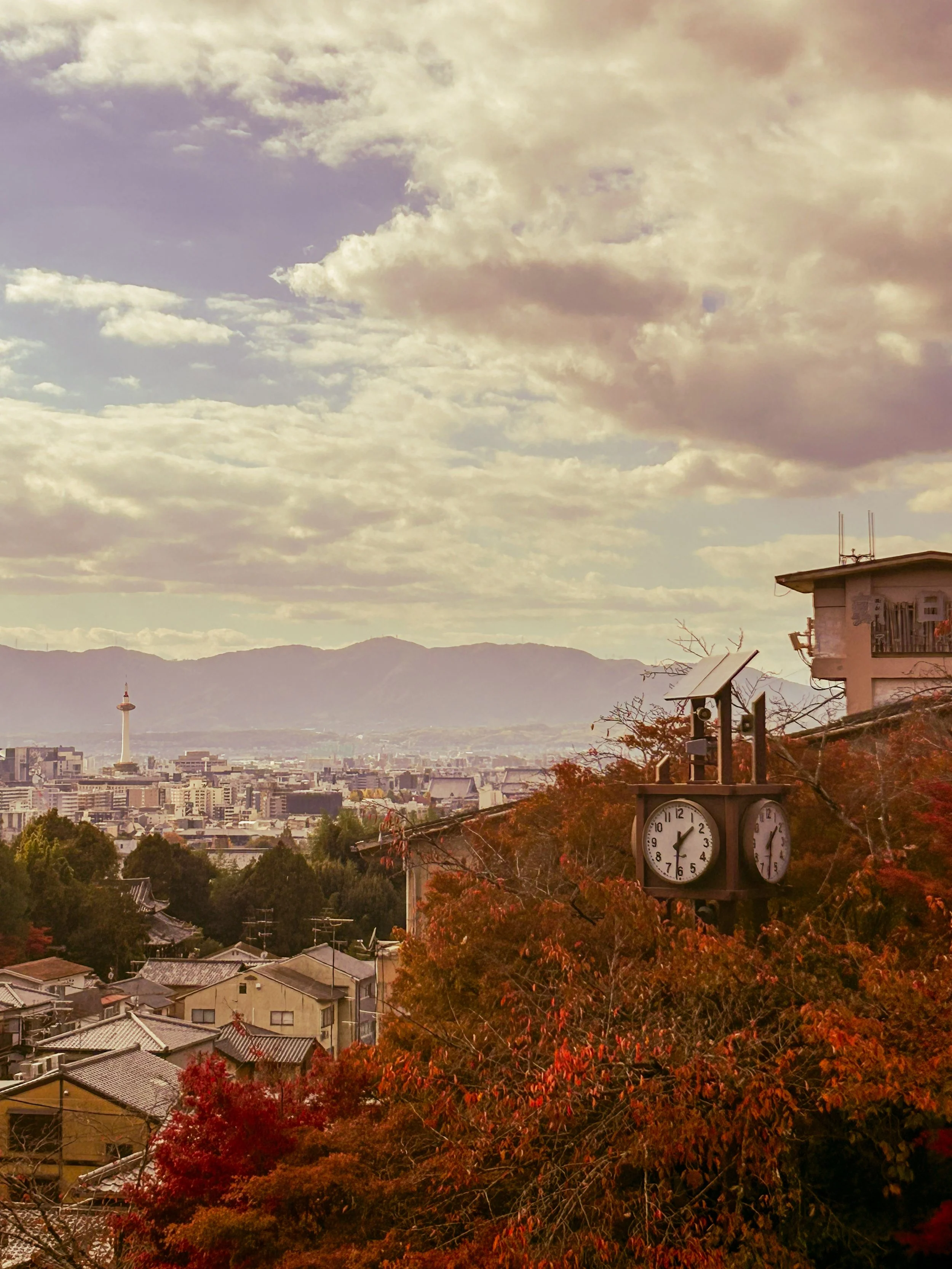
Ceremony.
The eight-letter, four-syllable word had been turning over and over in my head. I knew the moment it finally slid into view it was going to be my unlock. Ceremony would be my ticket out of the morass of procrastination I had been wading in since sitting down to write Tessera Blog 38.
I was curiously stuck and uncharacteristically intimidated not to reflect on – that was the easy part – but to capture with clarity and perspective my experience in a place I had come to hold in highest esteem. As I approached Blog 38 from afar I had assumed it would be the easiest I’d come to write all year, but the closer I got to putting it on paper, the more I came to bristle at the pressure of putting into words how magical – a word itself which seems to fall short – Kyoto, the City of a Thousand Temples really was.
Calling to mind my time there, I believe ceremony holds the perfect mix of reverence, tradition, acknowledgement and ritual to season the tastes, walks, collisions and pauses I had found in Kyoto. If at first ceremony sounds too austere or stiff and pretentious, consider Kyoto is masterfully as approachable and understated as it is majestic and modern. Kyoto does the impossible with extraordinary grace. It artfully balances the tension between its own tranquility and congestion, nature and commerce and authenticity and tourism.
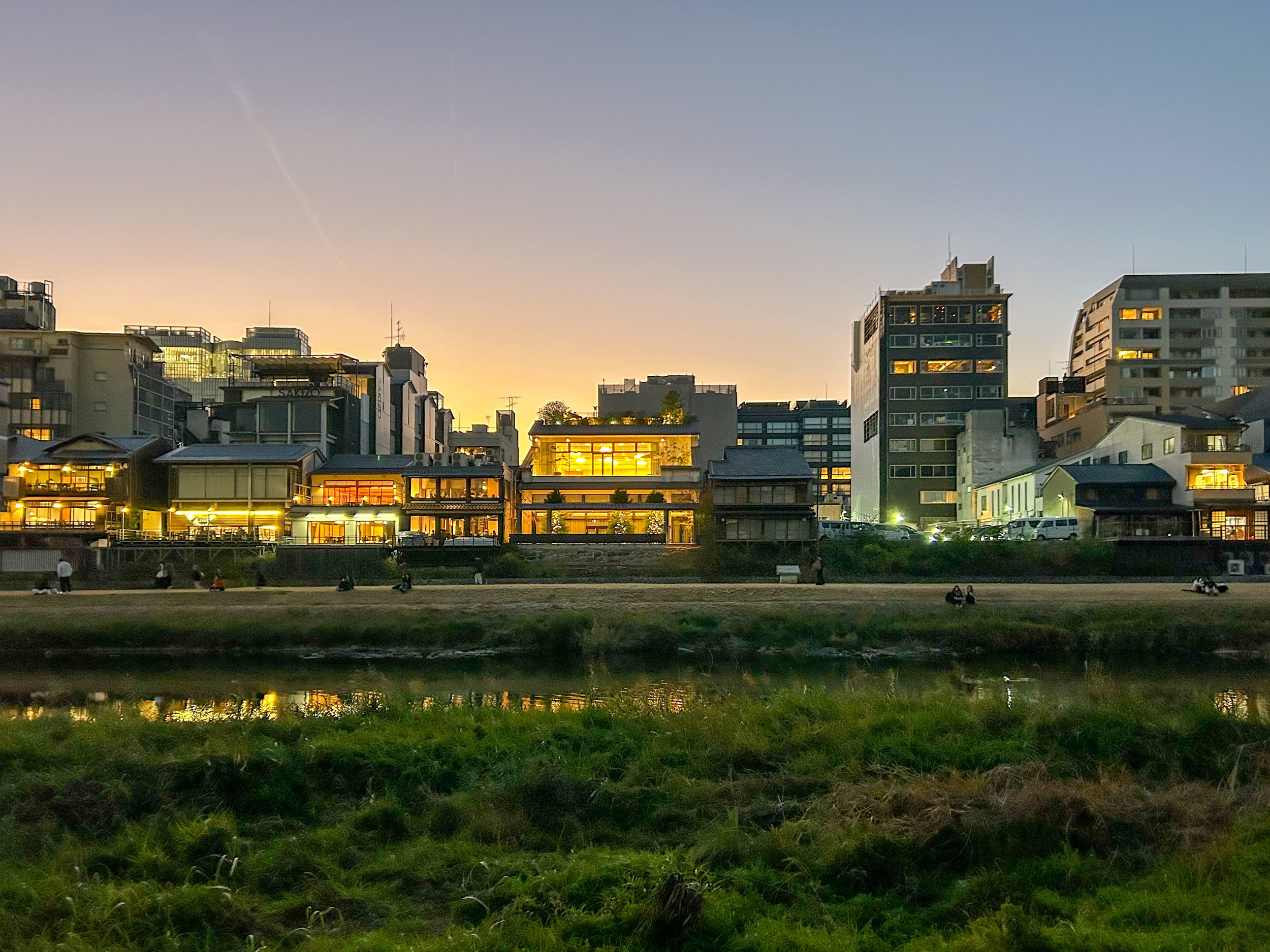
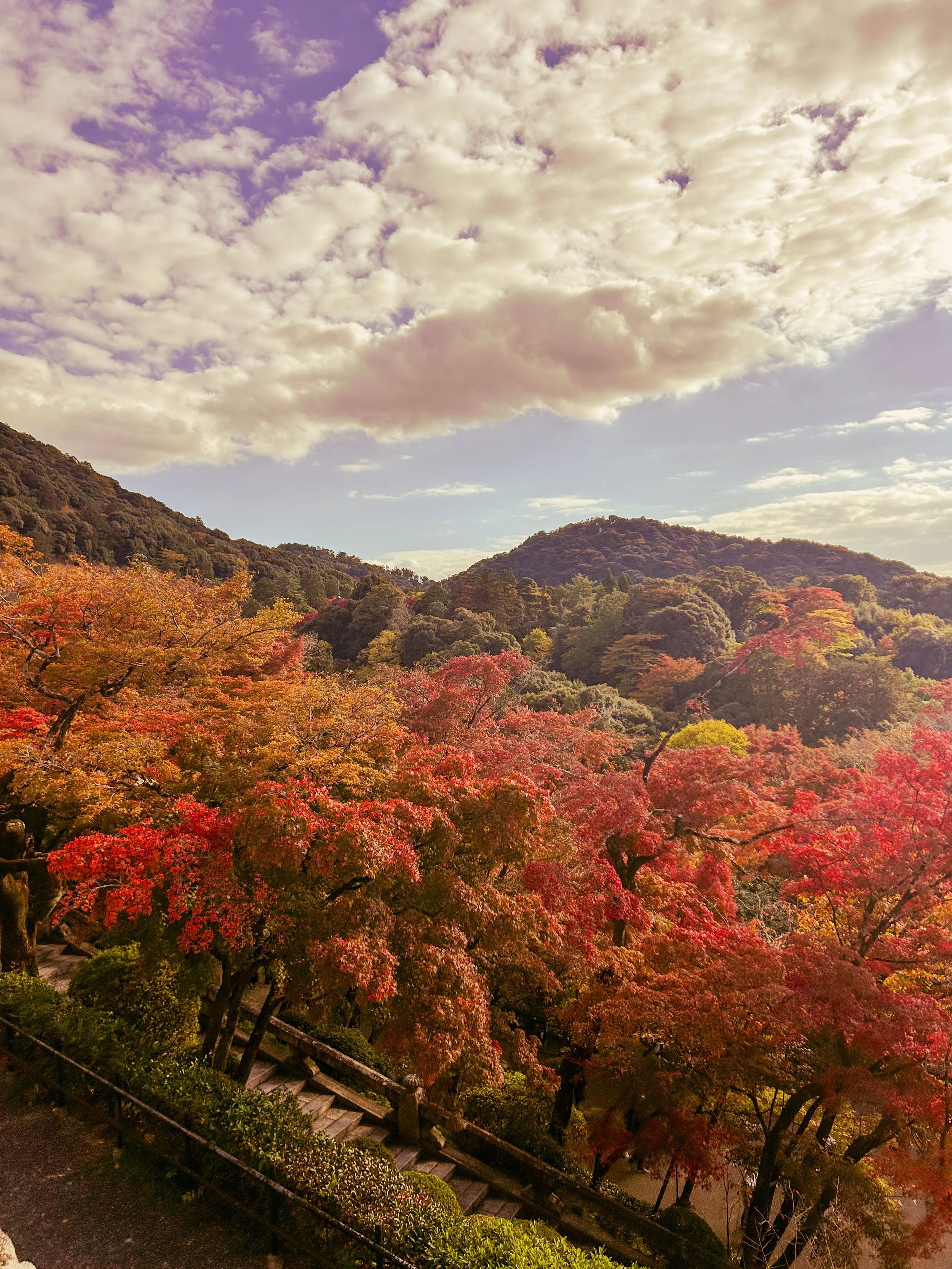
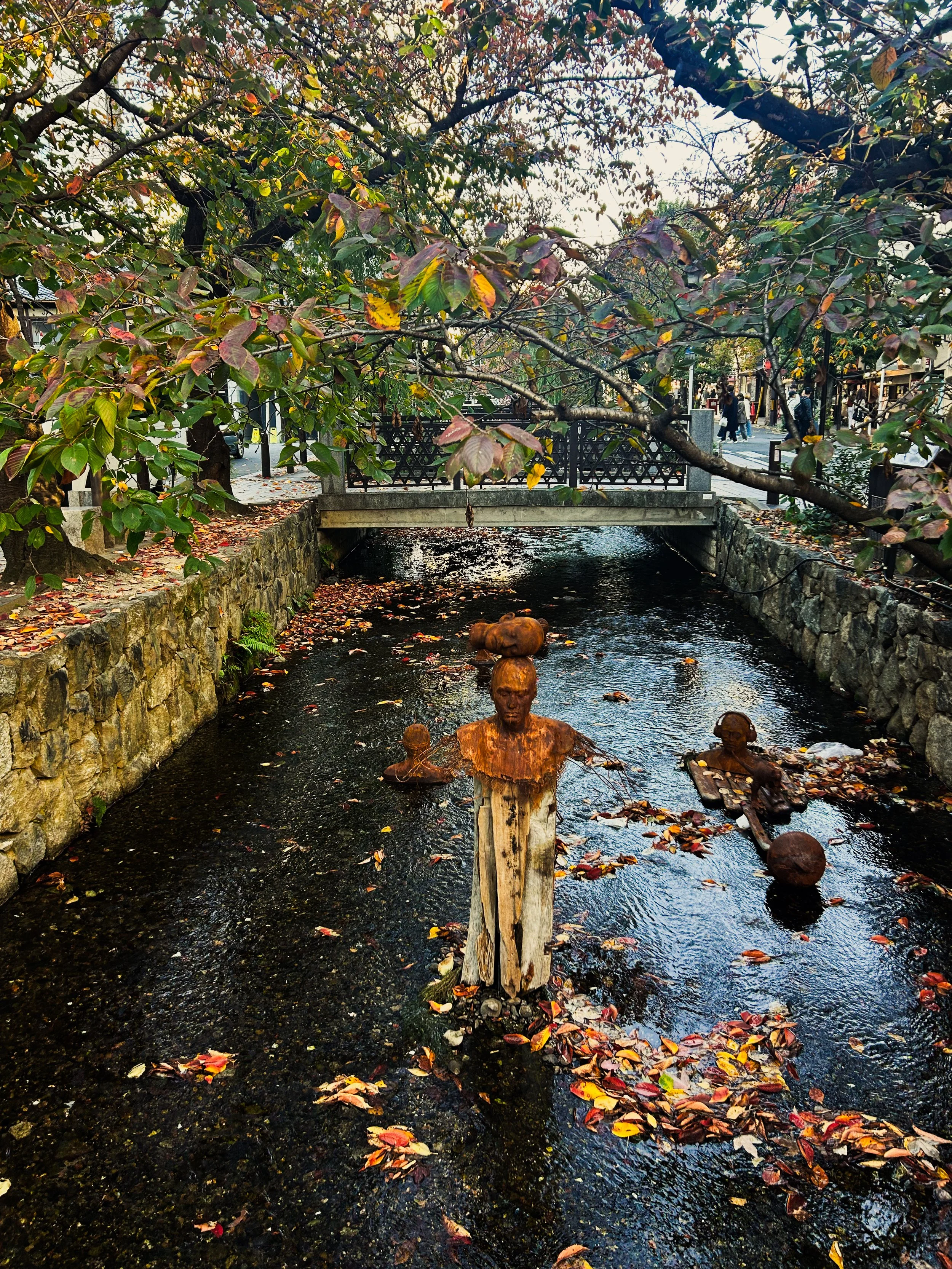
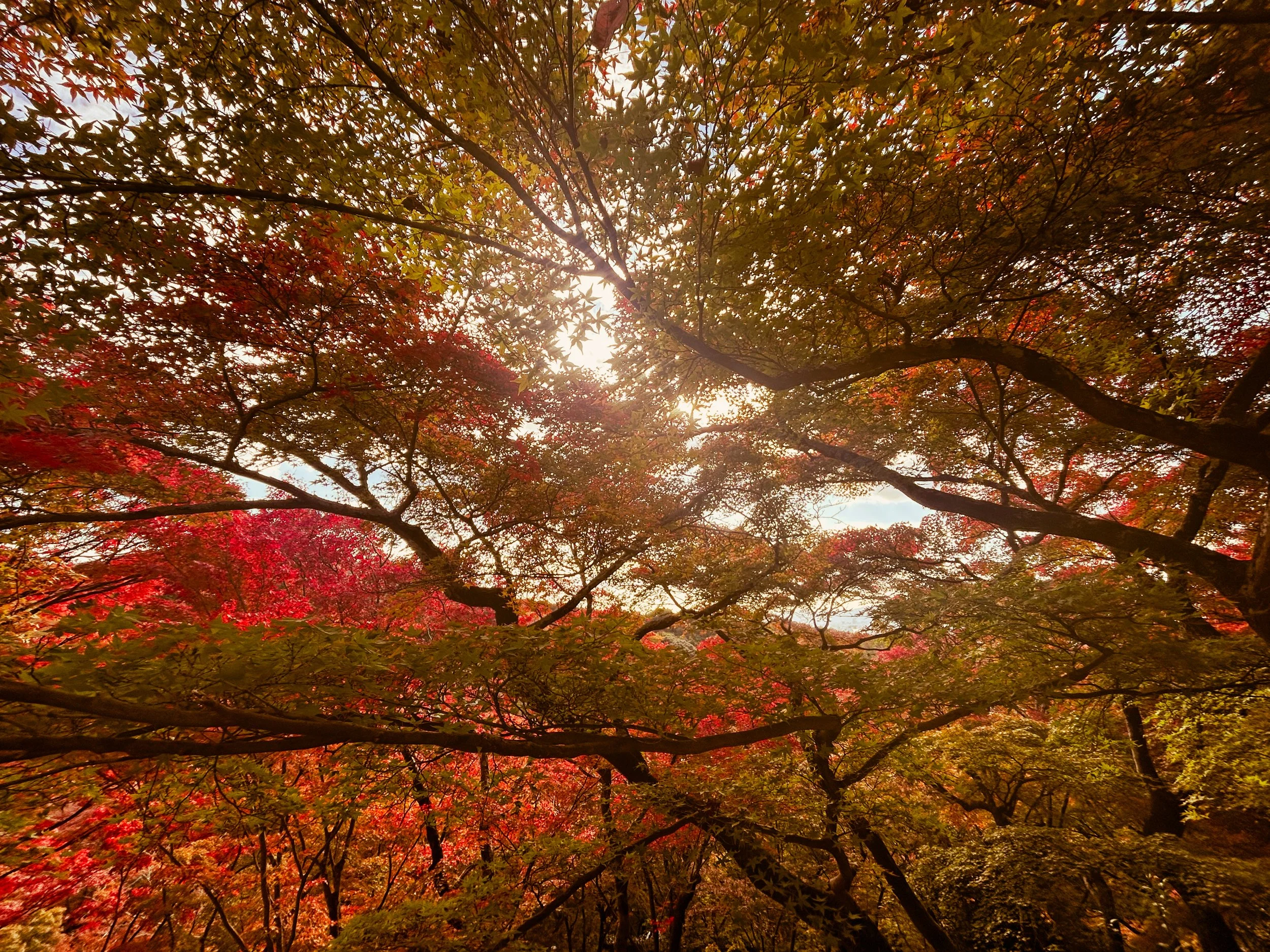
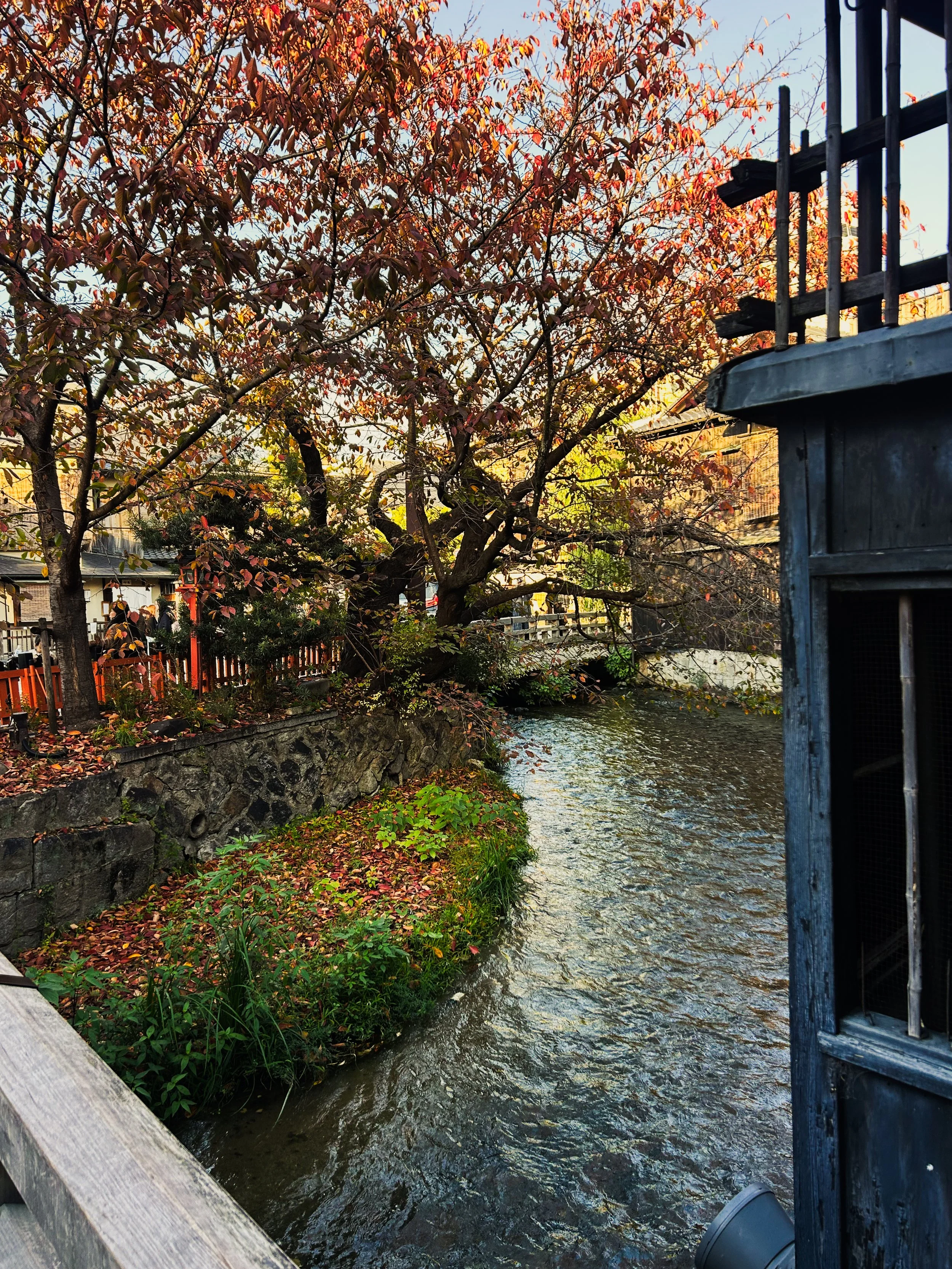
It is easy and effortless to spend time here, to move here and best of all to taste and find stillness here. I was invited so many times to marvel in awe at the color of the autumn leaves, the herons bathing in the river, the soft warm glow of sidewalk lanterns just barely lighting the path ahead. It wasn’t just easy to move here because it’s a safe, walkable, everything within perfect reach city, it was easy to move here because one feels lighter, more aware and thus more in tune with the rhythm of life around them.
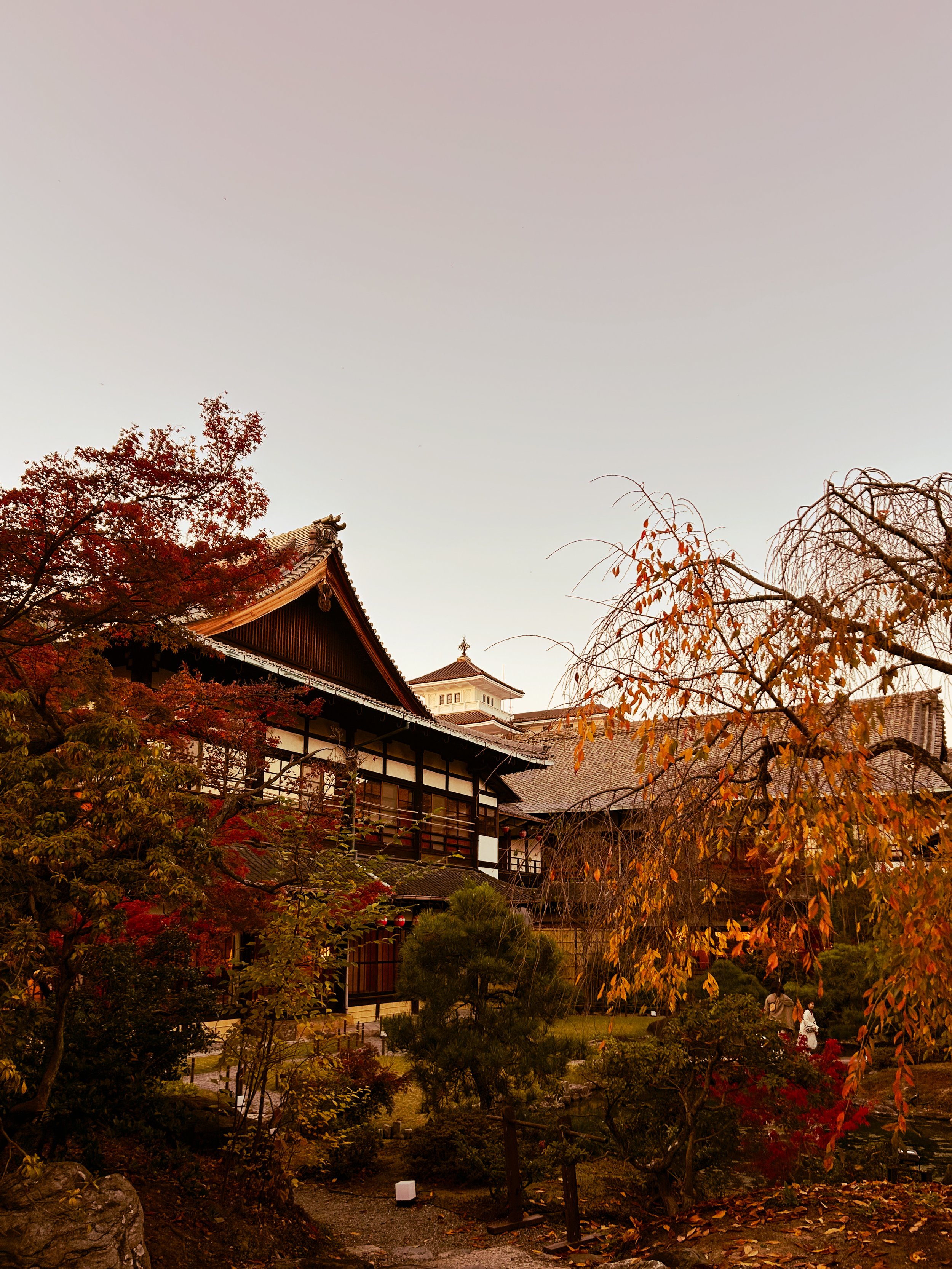
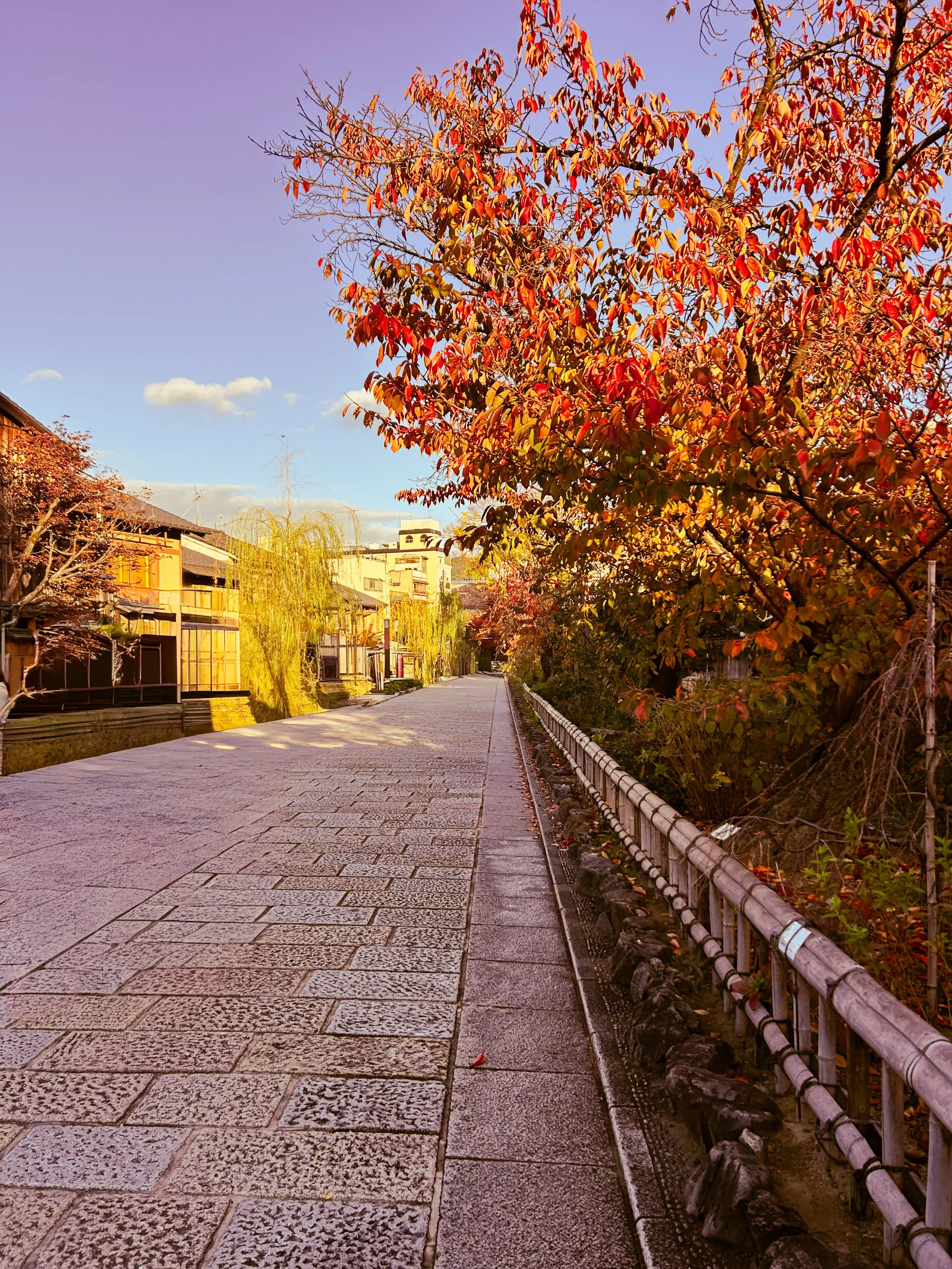
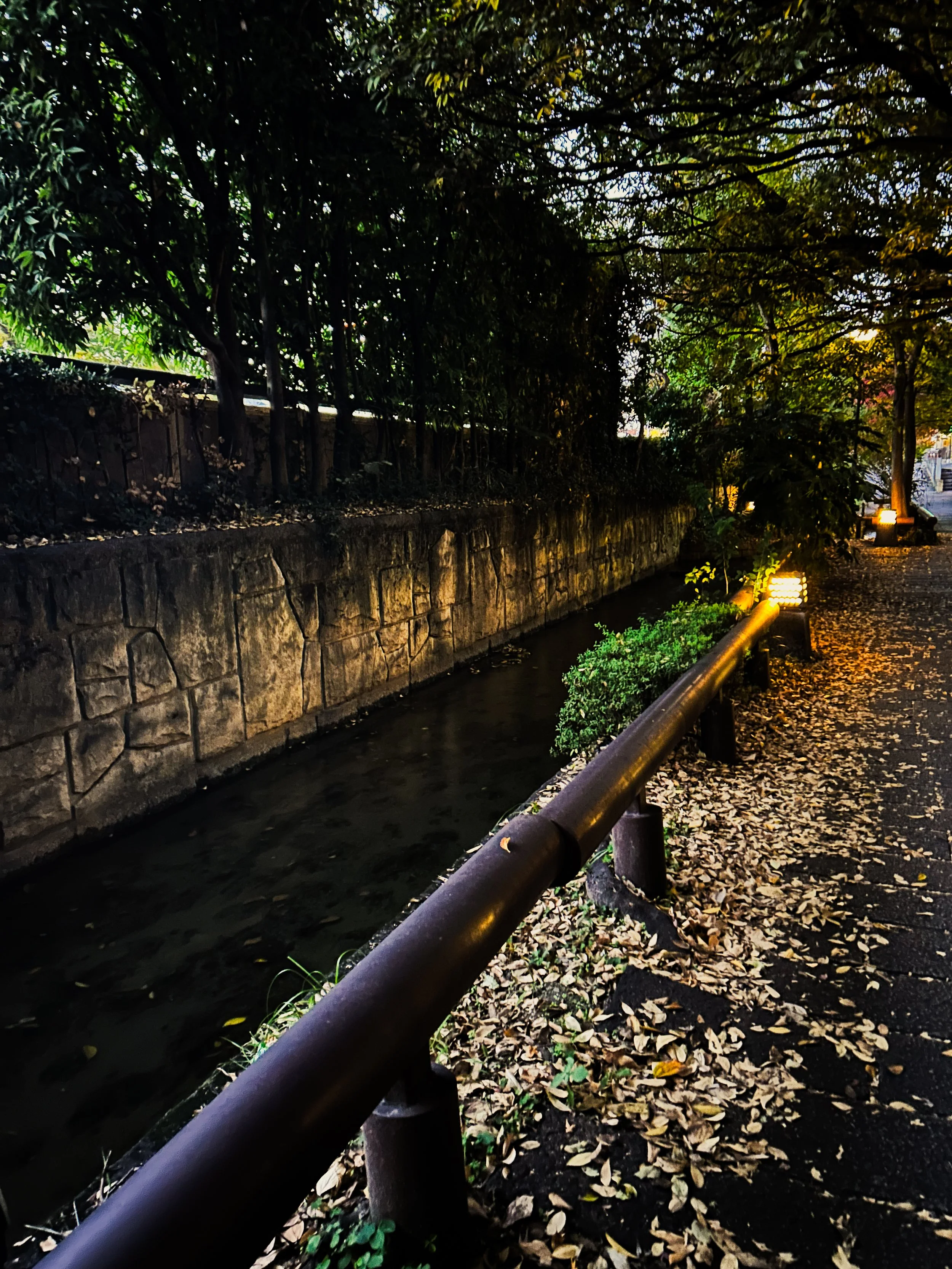
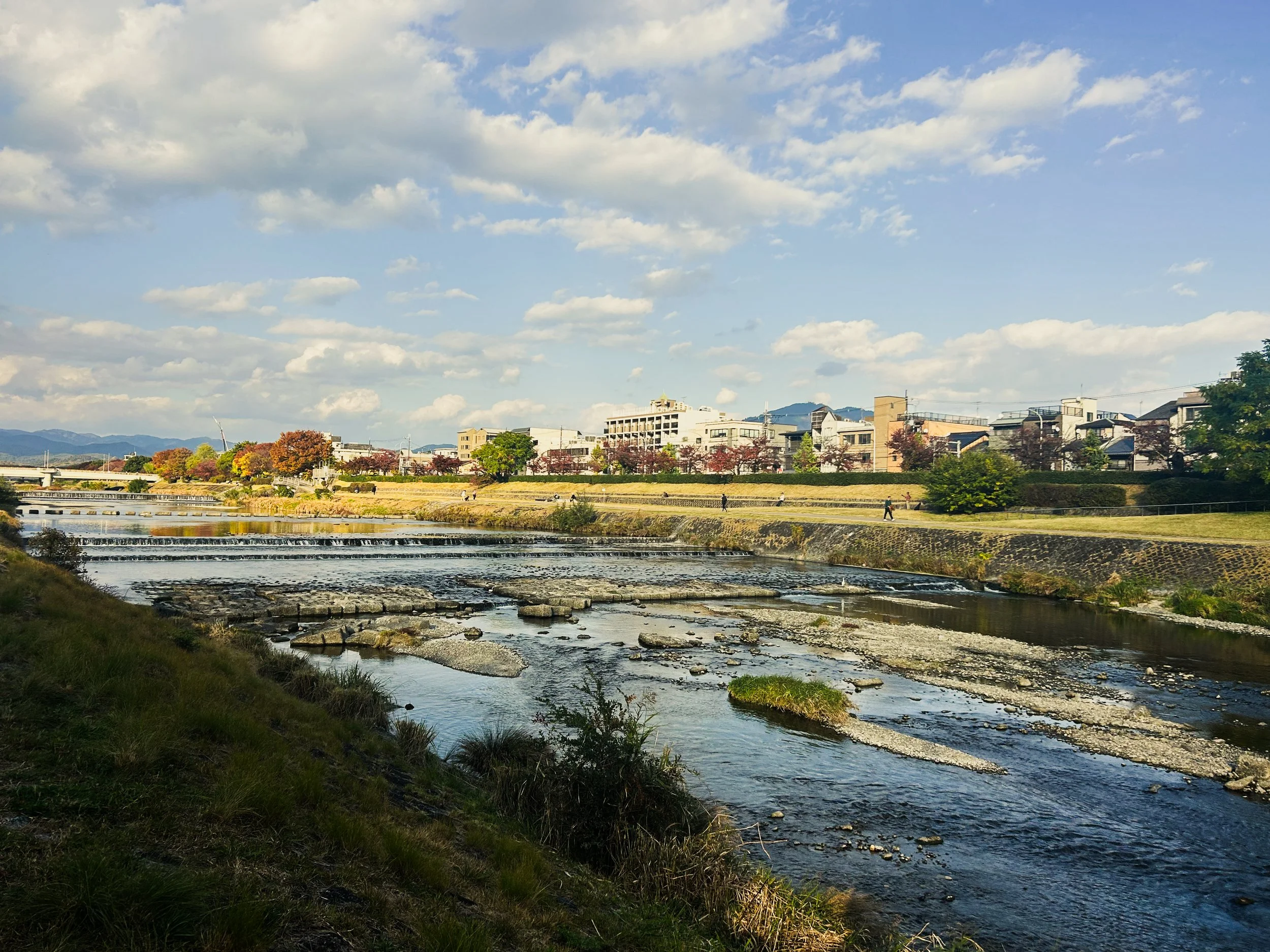
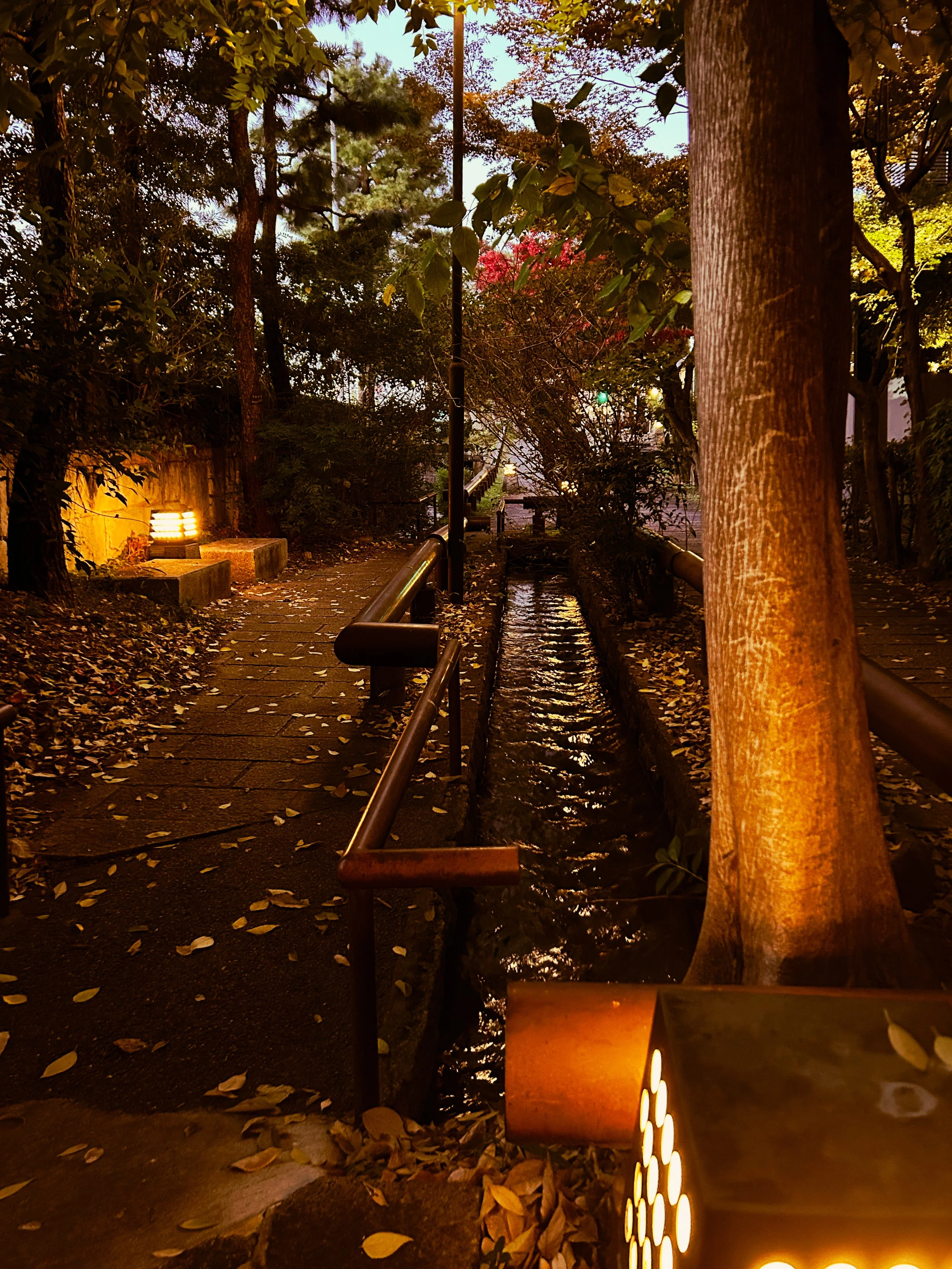
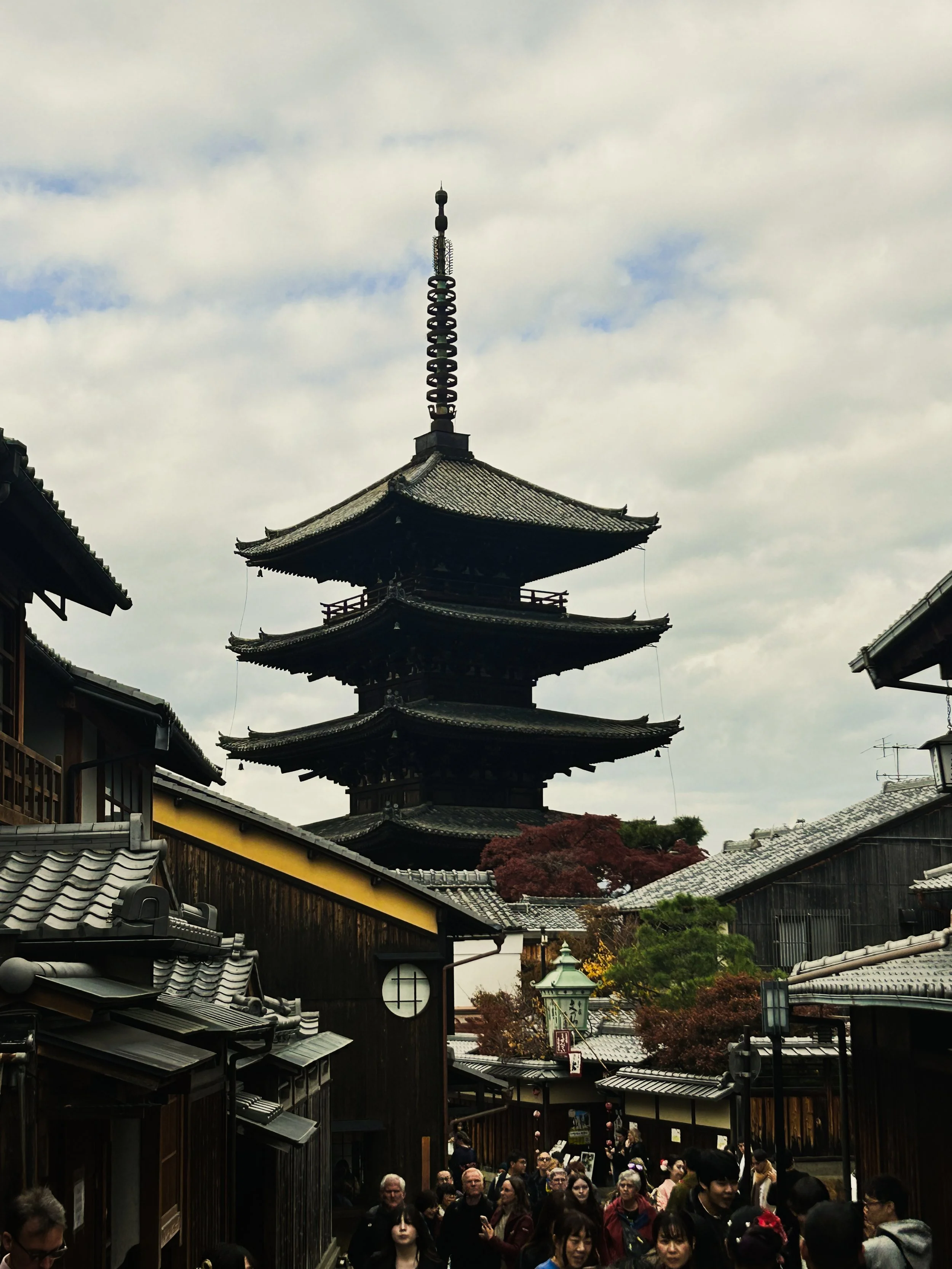
All of my travel was contained to the old part of Kyoto, which doesn’t feel suited for any of the conventional European old town adjectives in my Untethered Traveler vocabulary. Charming and quaint, in the context of Kyoto, seem to trivialize and genericize it versus put nuance and texture to its spirit and regal setting. Words like noble, elegance and craftsmanship danced in my head instead as I carried myself across Kyoto’s meticulously kept and clean narrow streets and alleyways. My curiosity consistently piqued, my creativity in overdrive imagining the lives, the generations lived within the sometimes thousand year old Kyomachiya wooden houses that I passed on the way to wherever intuition led me.
So much has already been written about this distinguished, ancient city. There’s also already been a fair amount of discourse on the impact of the alarming and unrelenting bloat of its tourism rates. For these reasons, Kyoto might feel too kitschy or overexposed to read about or visit in 2025 and beyond but that is to no fault of its own. Nor should it be a deterrence for those called to visit. I found Kyoto to be nothing short of spectacular. It is one of the most evocative destinations I have ever visited, an uncontested stand-out in a pinnacle year of travel and self-discovery.
Kyoto has without question though fallen prey to listicles, influencers, selfie snappers and throngs of tour bus groups who have flocked to and swarmed around it like flies. It was impossible not to be offended or embarrassed for blatant lack of respect in Kyoto’s most sacred places, for disregard of its residents’ personal property and space, for peace and quiet and most of all etiquette and tradition. Like overrun Venice, one senses there is a fragility to Kyoto. Each and any affront of this cultural treasure for tourists’ mass and vain consumption left me feeling ashamed to be a traveler let alone a human.
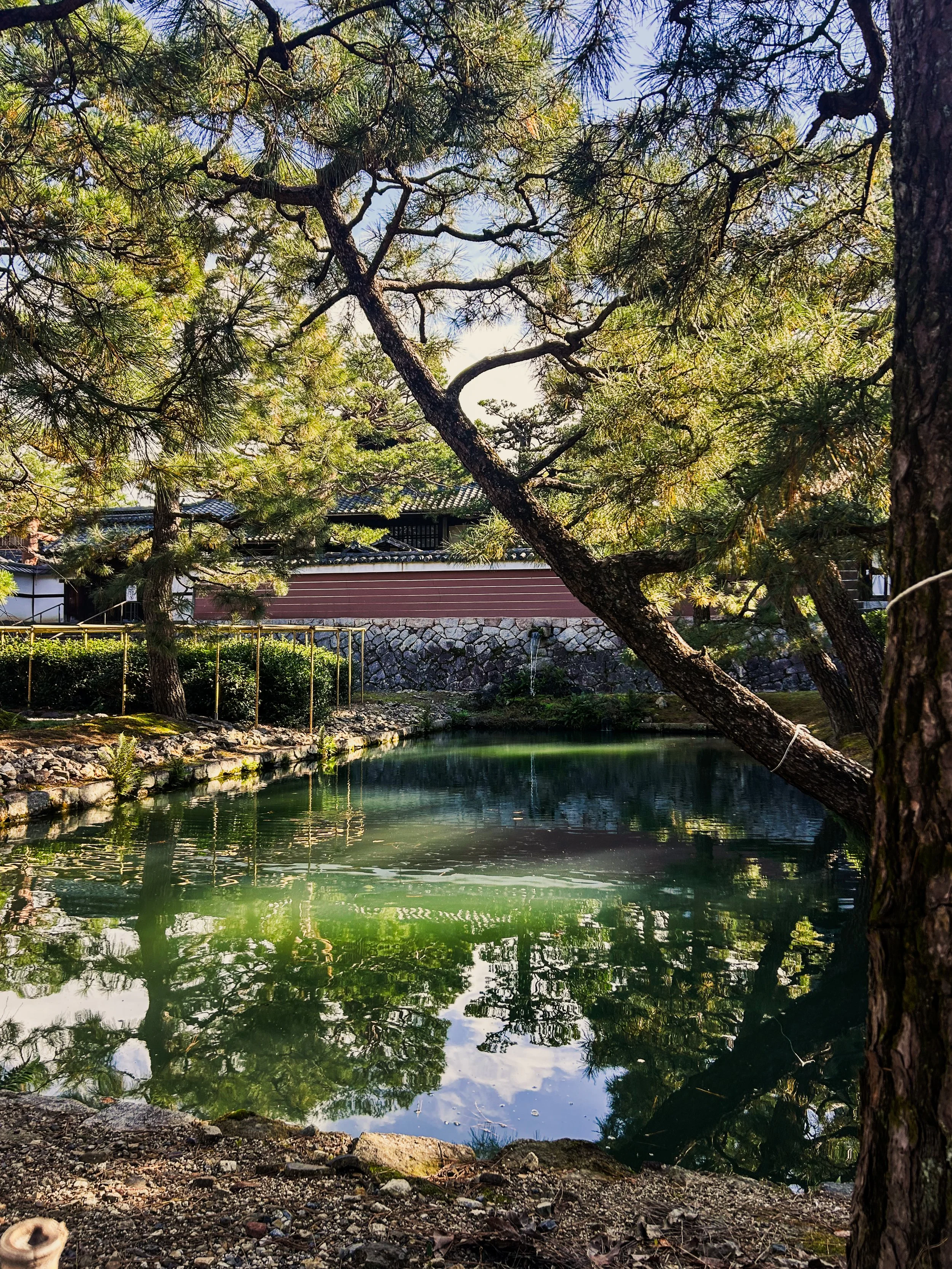
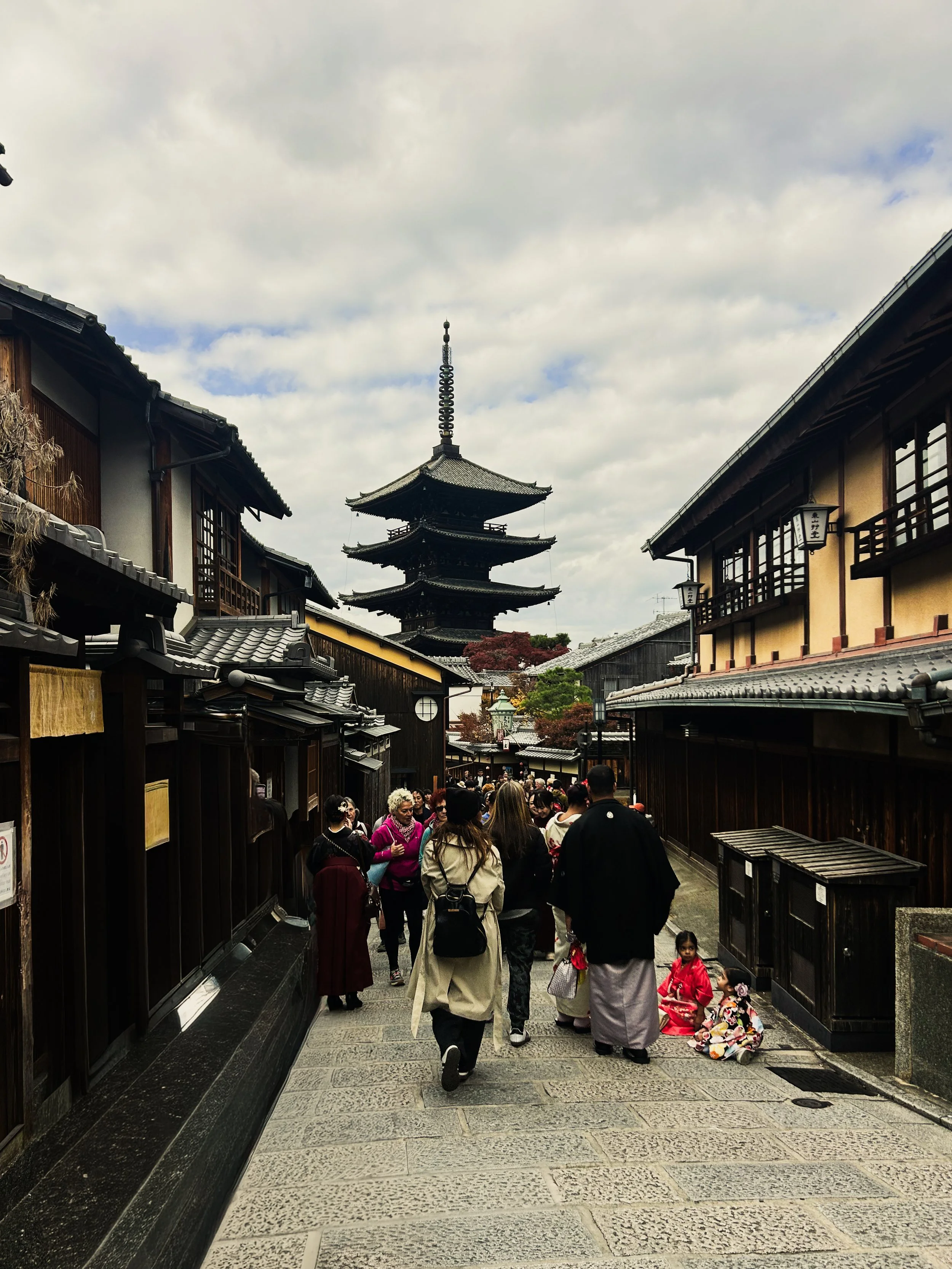
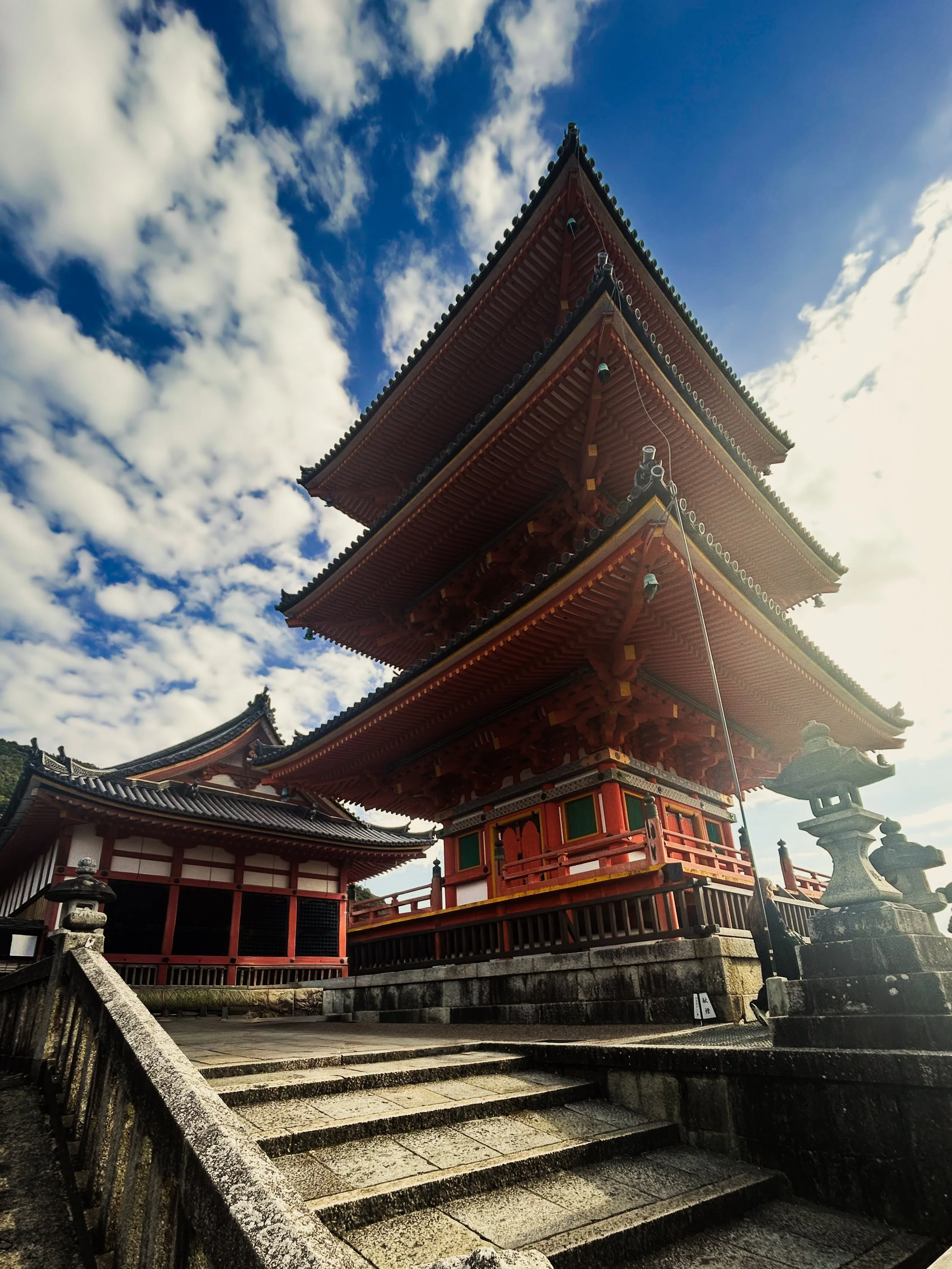
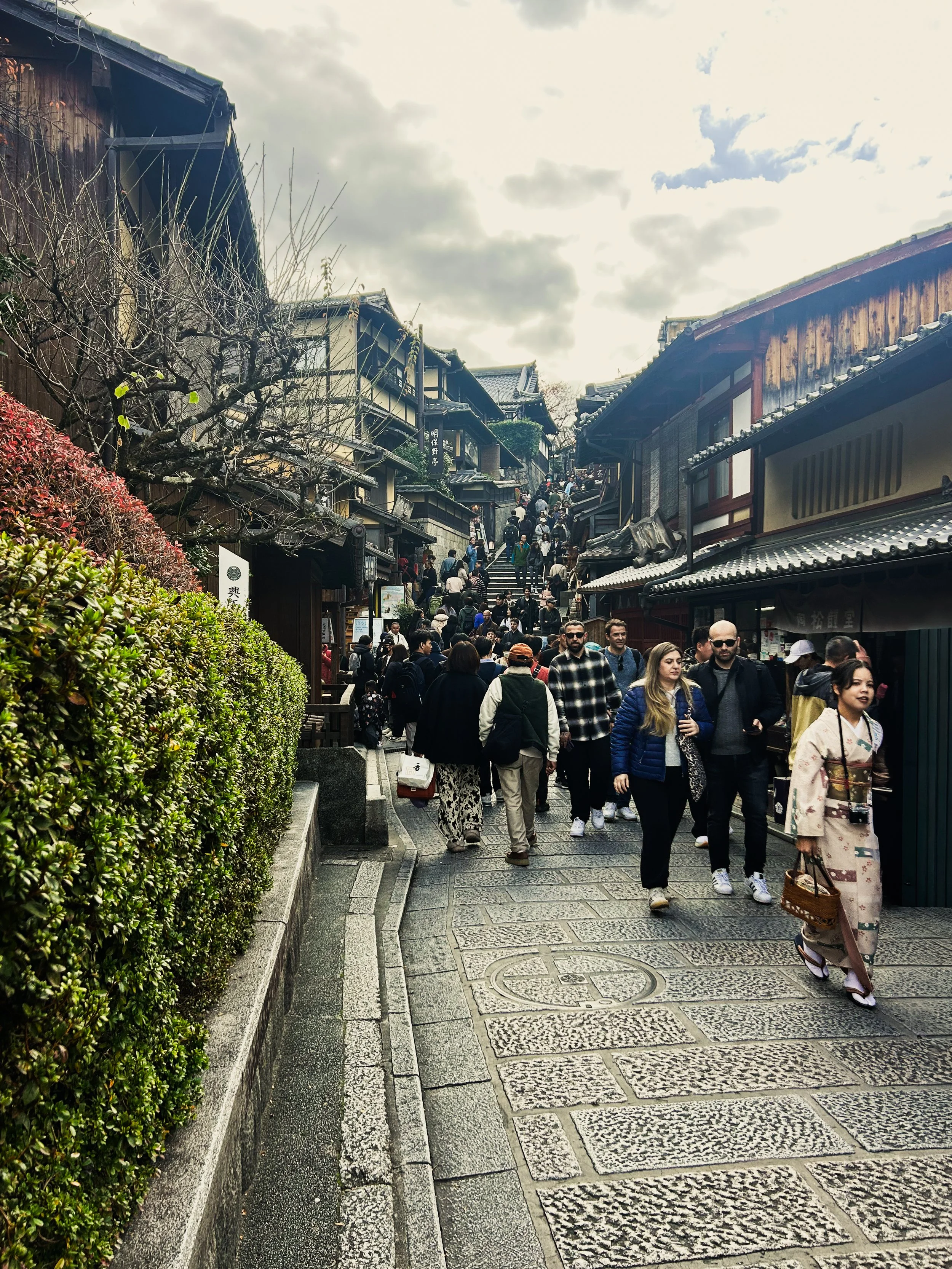
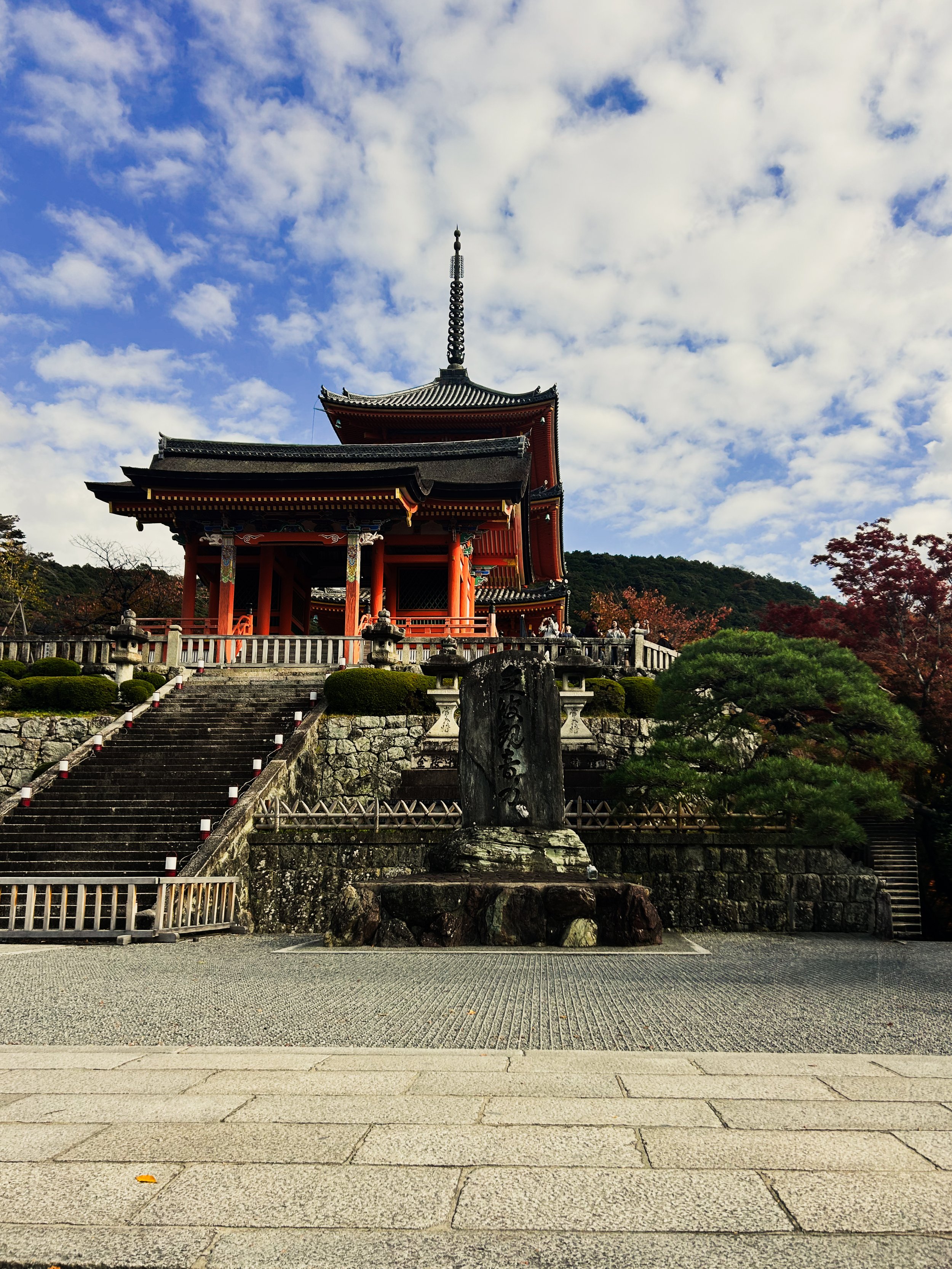
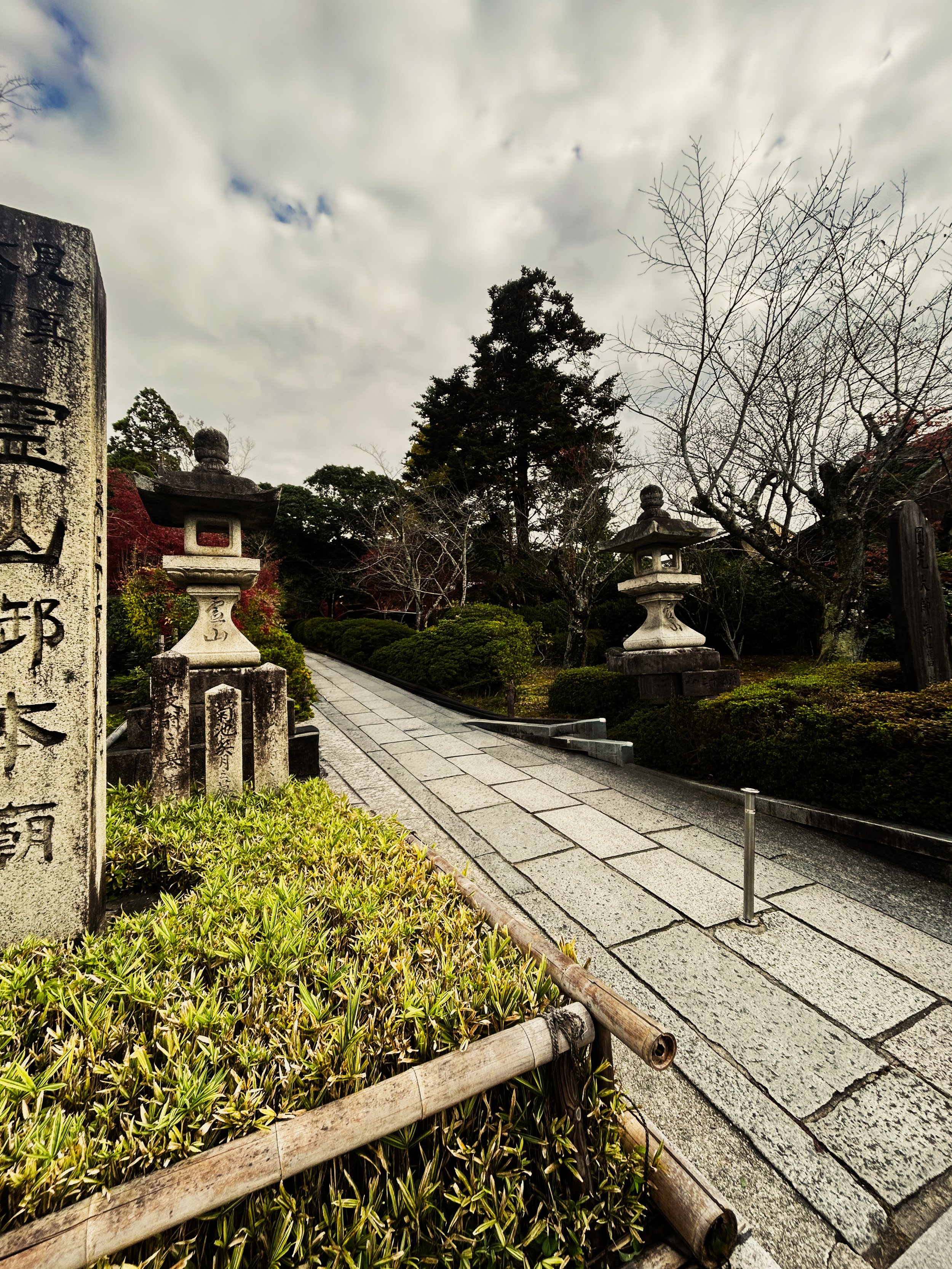
But I strongly believe there is a better way. One that is more mindful and intentional of our experience and its impact on the places and people we come to encounter. On the way down the hill from Kiyomizu-dera Buddhist Temple through the less traveled backstreets of the Higashiyama district, I thought about the impression I wanted to leave on the places I came to visit. Beyond the economic impact of every choice I make to support local craftsmen and women, sustainable endeavors and innovation, I can aim to inspire one micro-movement, one collision at a time in the hopes of generating that ripple effect I always talk about. The one that sets in motion positive momentum, good will and generosity.
With such intent coalescing inside of me, I ducked into a dimly lit, quiet ceramic shop with a modest somewhat unconvincing “Open” sign in the door. Inside, I found not only respite from the herds of people migrating down from the Temple, but a smartly dressed older woman hovering over a table folding origami paper cranes. The shop housed a delicate and stunning assortment of uniquely crafted pieces. As it turns out, I had walked straight into the muse of my thesis for a freshly hatched better way to travel.
The shopkeeper was warm and polite. She offered me a table to set my coat and bags on while I browsed her store slowly, thoughtfully and unencumbered. As I went over the mental checklist in my head of gifts I still needed to buy, I matched a set of sake cups to its perfect recipient. We chatted, best we could, around the language barrier about a beautiful black matcha bowl I kept circling back to. It was ultimately too expensive. I settled contentedly on the one-of-a-kind sake cups. Before I left, the shopkeeper slid two of the tiny paper cranes she’d just finished folding into my bag. She smiled, bowed and warmly thanked me. That exchange and those few minutes inside her shop will forever stand out to me as the most memorable collision I had in Kyoto.
Sparked by the energy of this poignant, purposeful pause, I asked myself – what did I need to learn, to respect, to honor – to always move with deference and generosity? If sharpening my intent ensured more meaning in my travel, how could my own actions, demeanor and gratitude in turn bring a little more validation, encouragement and joy to the beating heart on the other side of every collision? These exchanges are the micro-movements, the Tessera moments that irrepressibly ripple far and wide out into the world behind the indomitable force of travel’s transformative power. How could I move just so, to keep them in constant motion?
MOVING IN KYOTO
Eventually, I realized the purest way to experience Kyoto, was to step out every morning ahead of the crowds. I first found restorative and energizing solitude strolling through the Imperial National Gardens. As I pressed on toward the rest of my day, I left deeply affected and at full attention.
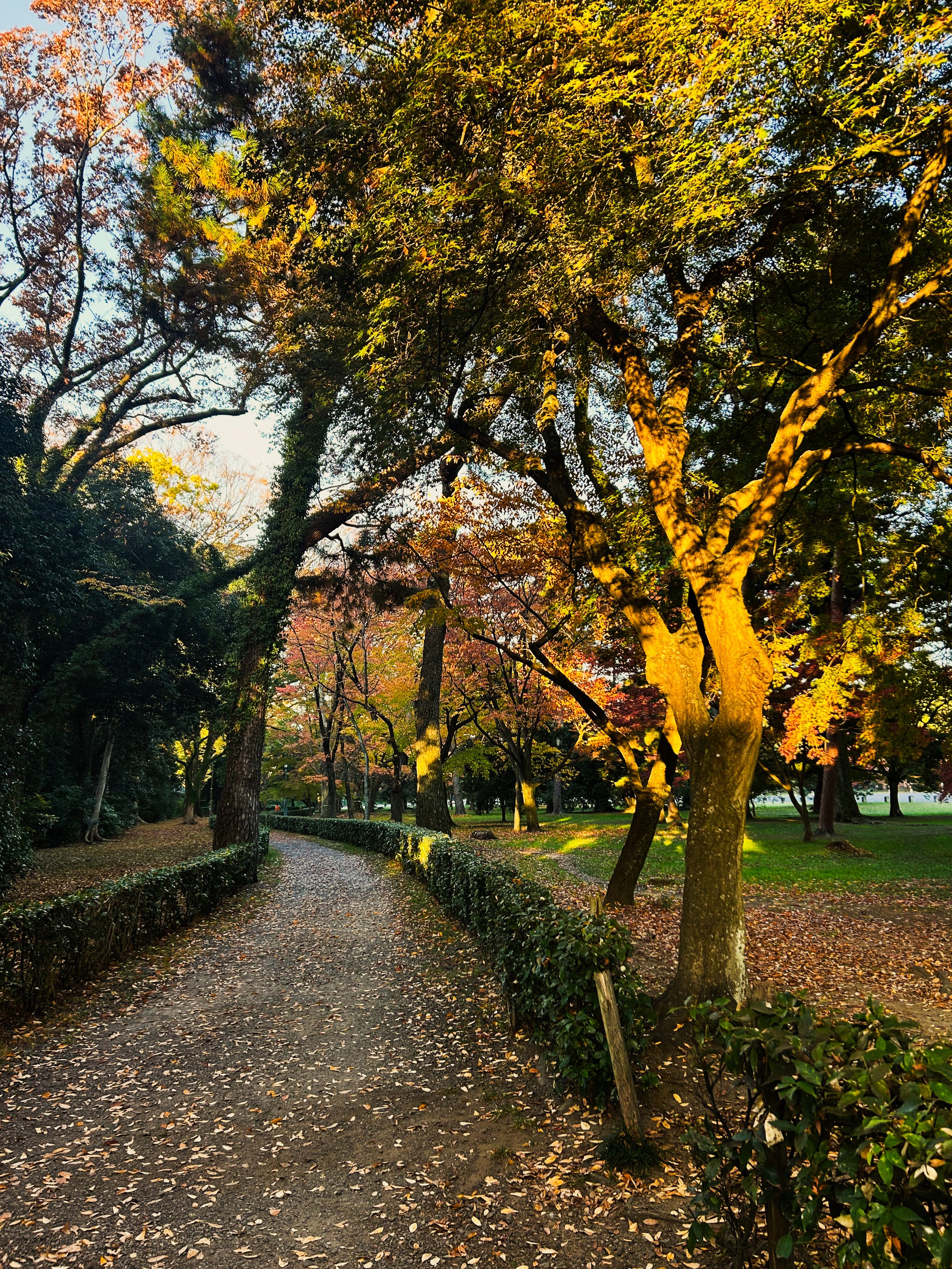
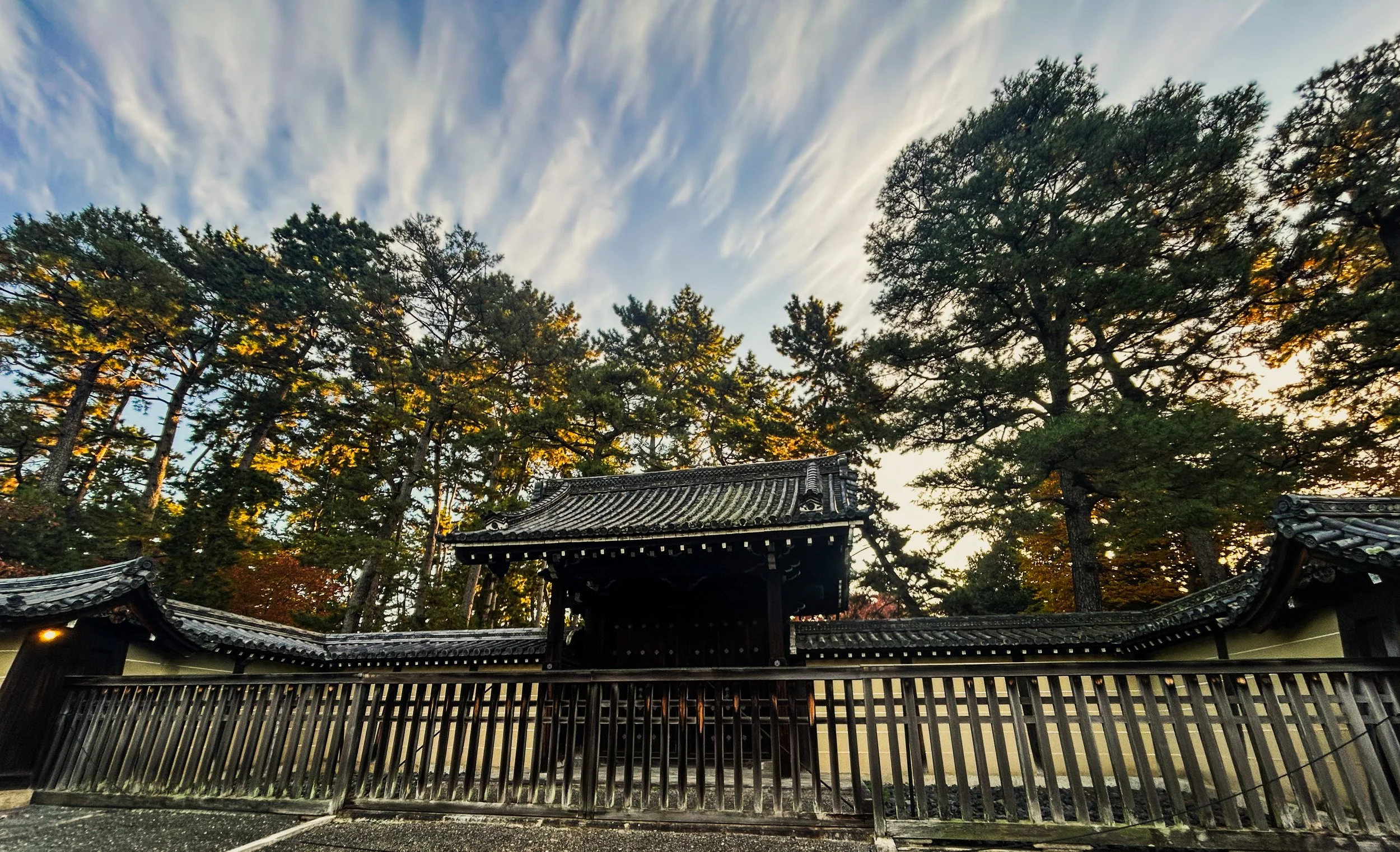
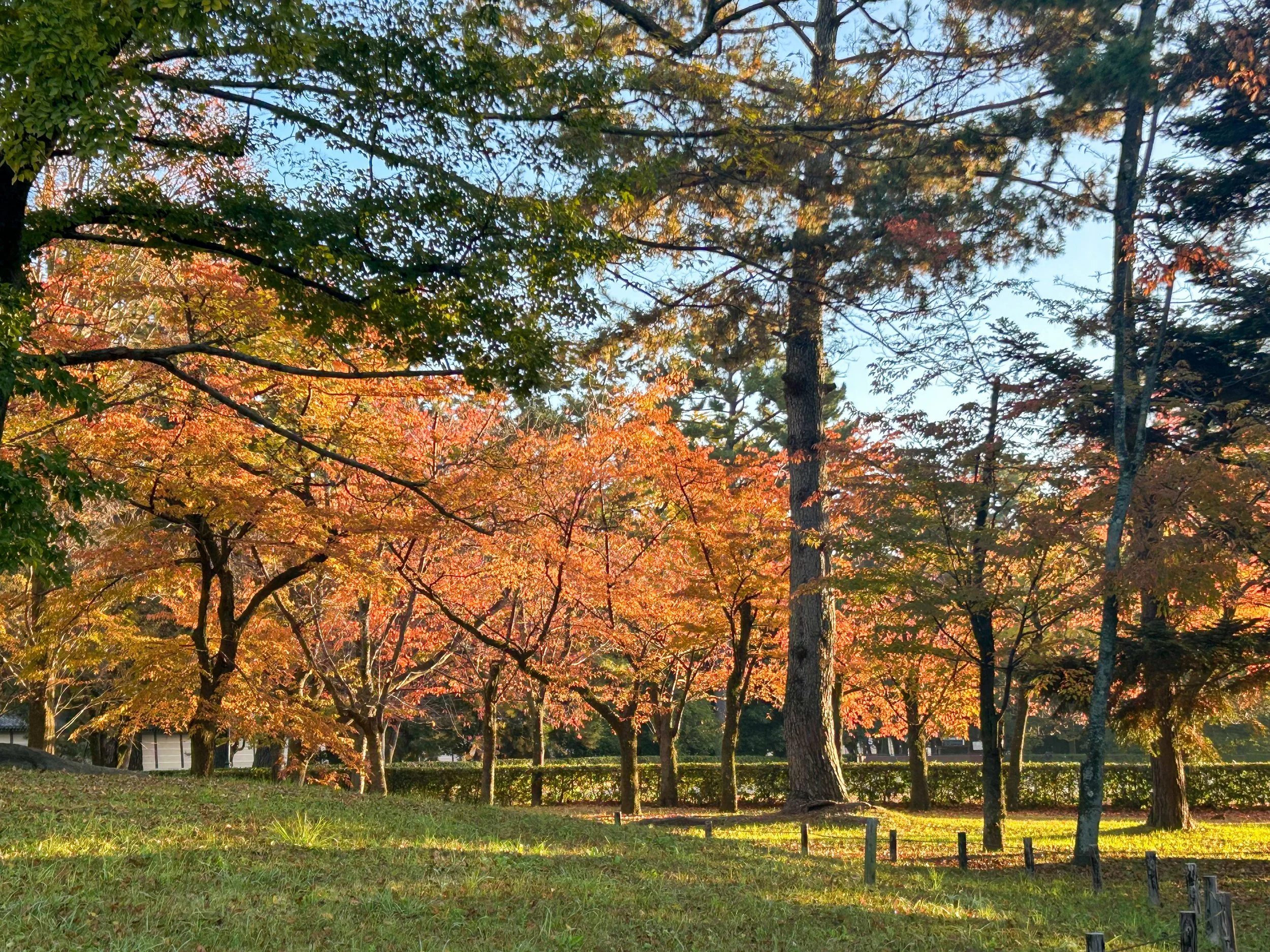
In this state of mind, I paid a visit to the nearby Go-ō Shinto Shrine. While its customs and rituals were all but unknown to me, it’s spiritual import hung undeniably in the air. From an unobtrusive distance, I watched an older man bow his head and pray in front of three giant gongs. In that moment between two strangers whose paths would never cross again, the lines between his beliefs and mine disappeared. The universe had brought me there so that the two of us together could ask for whatever he had so earnestly come to pray for that morning.
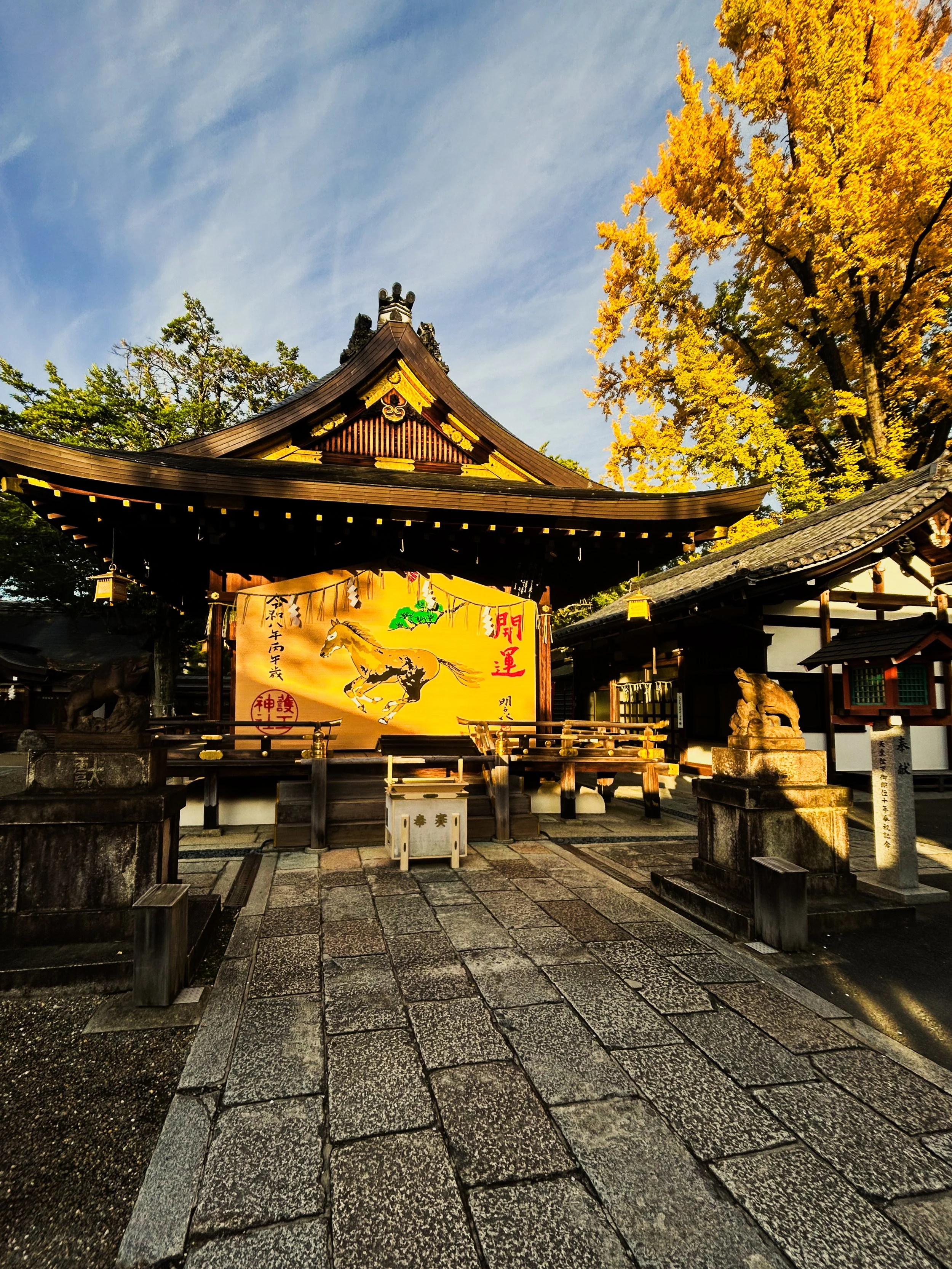
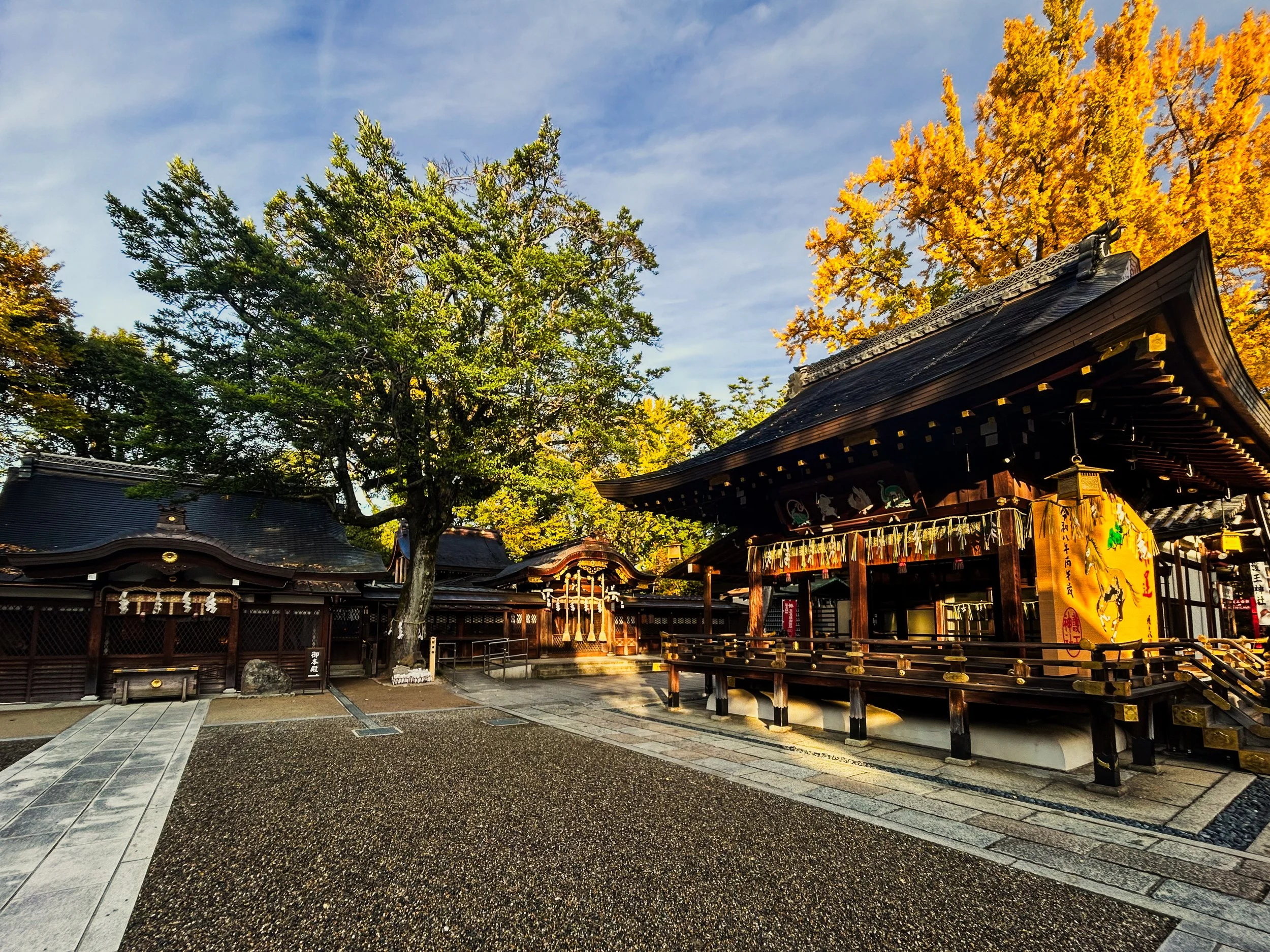
I’m so glad I found my way to Kyoto when and as I did. In the past year, I have felt both subtle and seismic shifts in what I believe. Those beliefs have been shaped and reshaped by a year of discovery, learning and most of all rich and rampant blessing. That morning I had felt unconditionally connected to another human being, and in letting go and feeling so, I witnessed a rare and fleeting inner peace pass through me.
I left the Shrine and walked in quiet contemplation up and down the side streets of Kyoto’s Nakagyo-ku Ward. My gut, but perhaps more likely my nose, led me to Kurs, this amazing little boulangerie. As I approached, there was an intensifying buzz and energy among the gathering customers out front. I too felt a sudden burst of energy as I knew in my foodie heart of hearts I had stumbled onto something special. I joined the line and when it was my turn to queue inside, I was hit all at once with the warmth of the ovens, the sublime smell of fresh baked goods baking and the sight of pastries stacked in beckoning heaps on trays just within arm’s reach in front of me.
The line moved quickly. In the seconds that followed, I was forced to make a call between calories and regret. I chose calories without regret. I ordered my go-to cardamom bun which I make an effort to sample in every country I visit. I couldn’t resist also ordering a small chocolate chip scone and a donut which like the cardamom bun was fresh out of the oven. The donut was fabulously chewy and warm, maybe dusted with cinnamon with a touch of sesame. On the way back to my hotel I realized I had found stillness and taste in the quietest of Kyoto’s corners.
Never had the tenets of moving with intent been as clear as they were in Kyoto: find gratitude in the little, everyday happenings; seek peace within when confronting the chaos and distraction of the outside world; and trust and follow my compass even when no route or destination is in clear sight. As if by magnificent design, my last lunch in Kyoto served up all three in equal measure. Every time something like this happens when I travel, and it has been happening more and more, the meaning is always clear and concise. Keep going. Keep trusting the path I’m on. These are signals not signs. Each one adds up.
THE CEREMONY OF TRAVEL
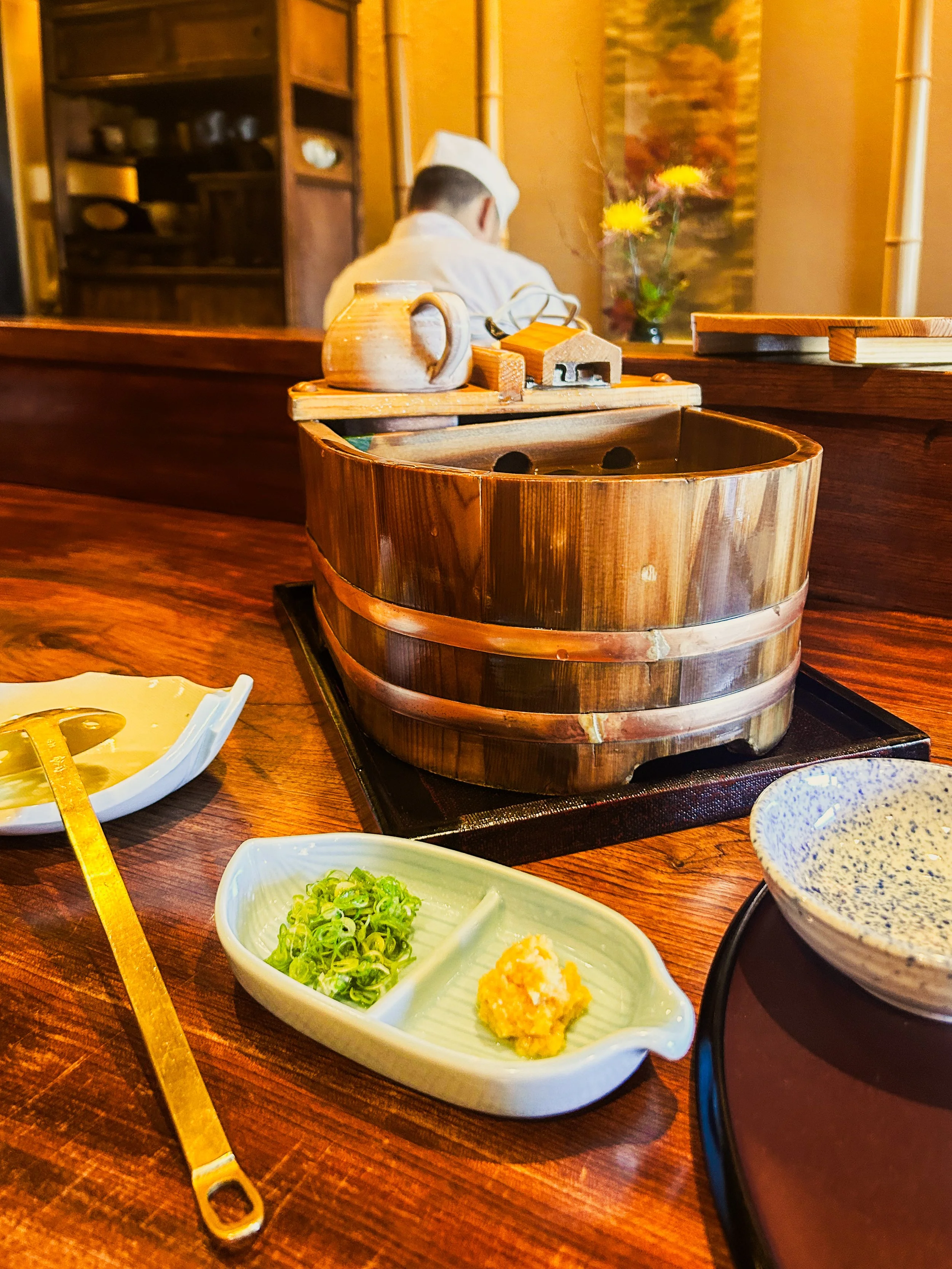
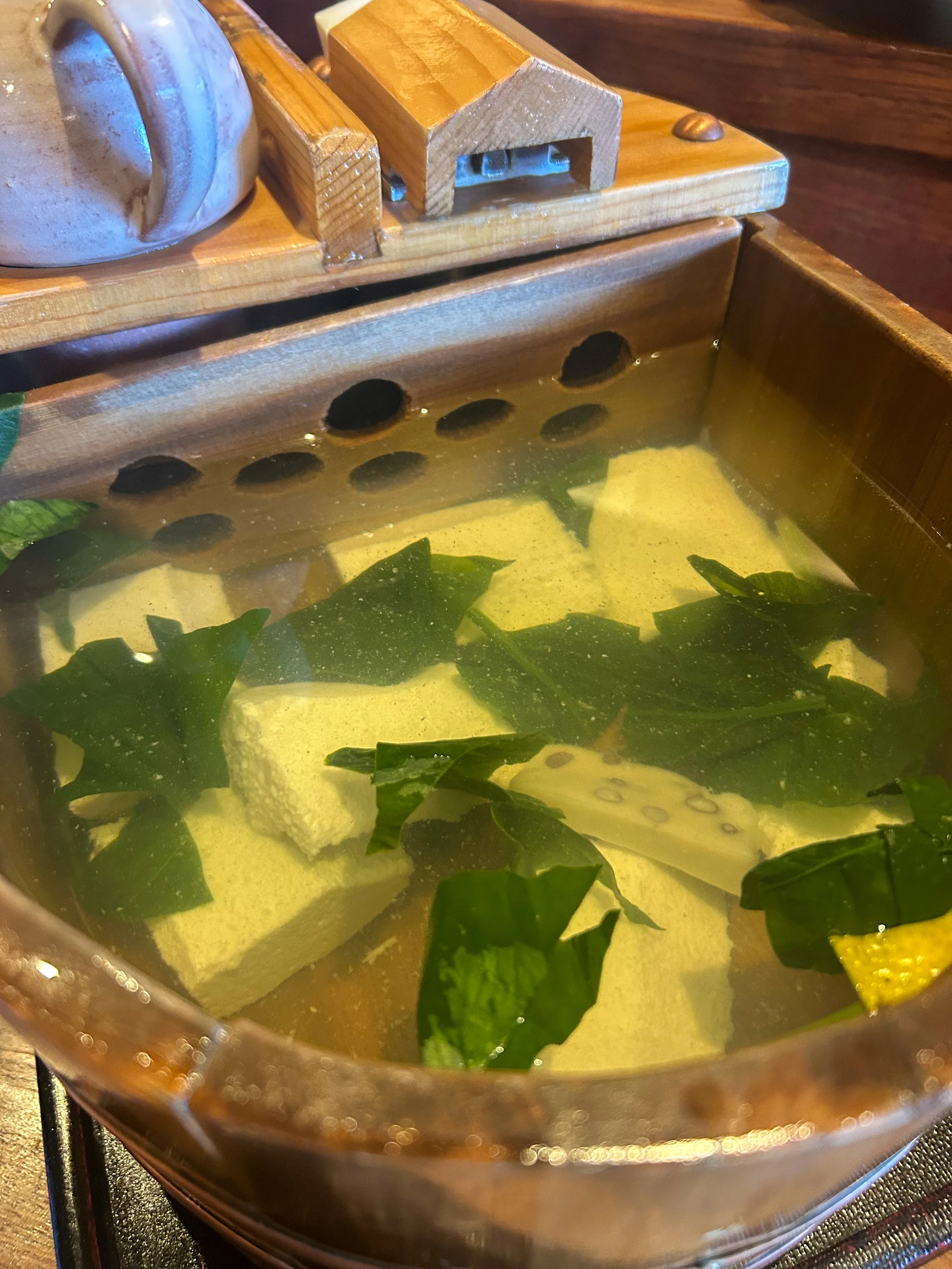
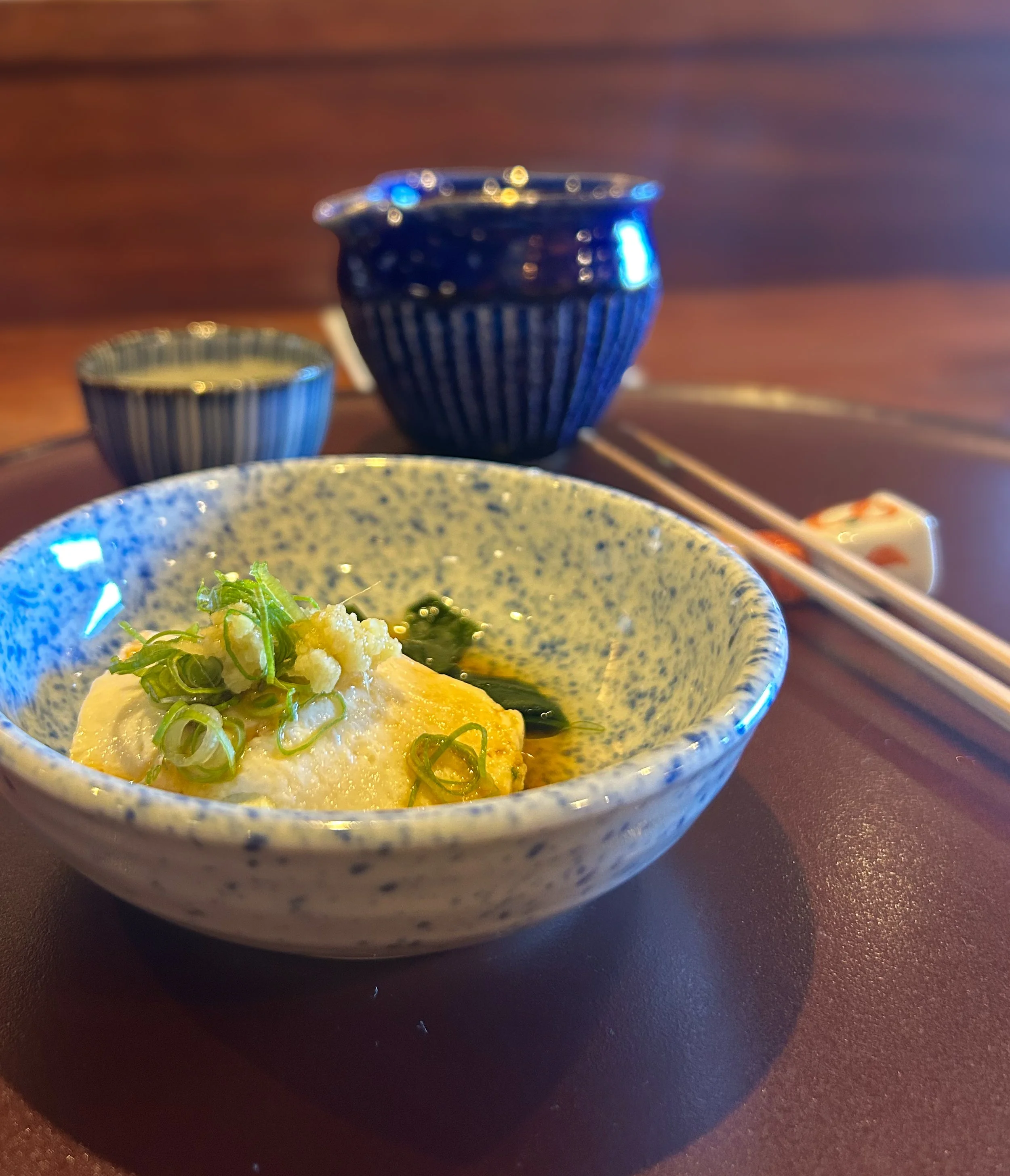
Before I arrived in Kyoto, I had tagged several spots in Google Maps that specialized in Japanese dishes I hoped to enjoy – Kaiseki, Yu-dofu, Yakitori, Sushi, Ramen and Gyoza. It was a perfect sunny day and as I walked in the general direction of the Gion district, where I suspected I’d land for the afternoon, I entertained every detour and whim. While I had hoped to find Yu-dofu, a traditional Japanese Buddhist dish of lightly seasoned tofu in broth, I also wanted to stay open-minded and taste whatever came my way.
A picturesque alley caught the corner my eye. I backtracked, not once but twice. I felt the strongest, strangest pull to the restaurant at the end of this passageway. And for good reason.
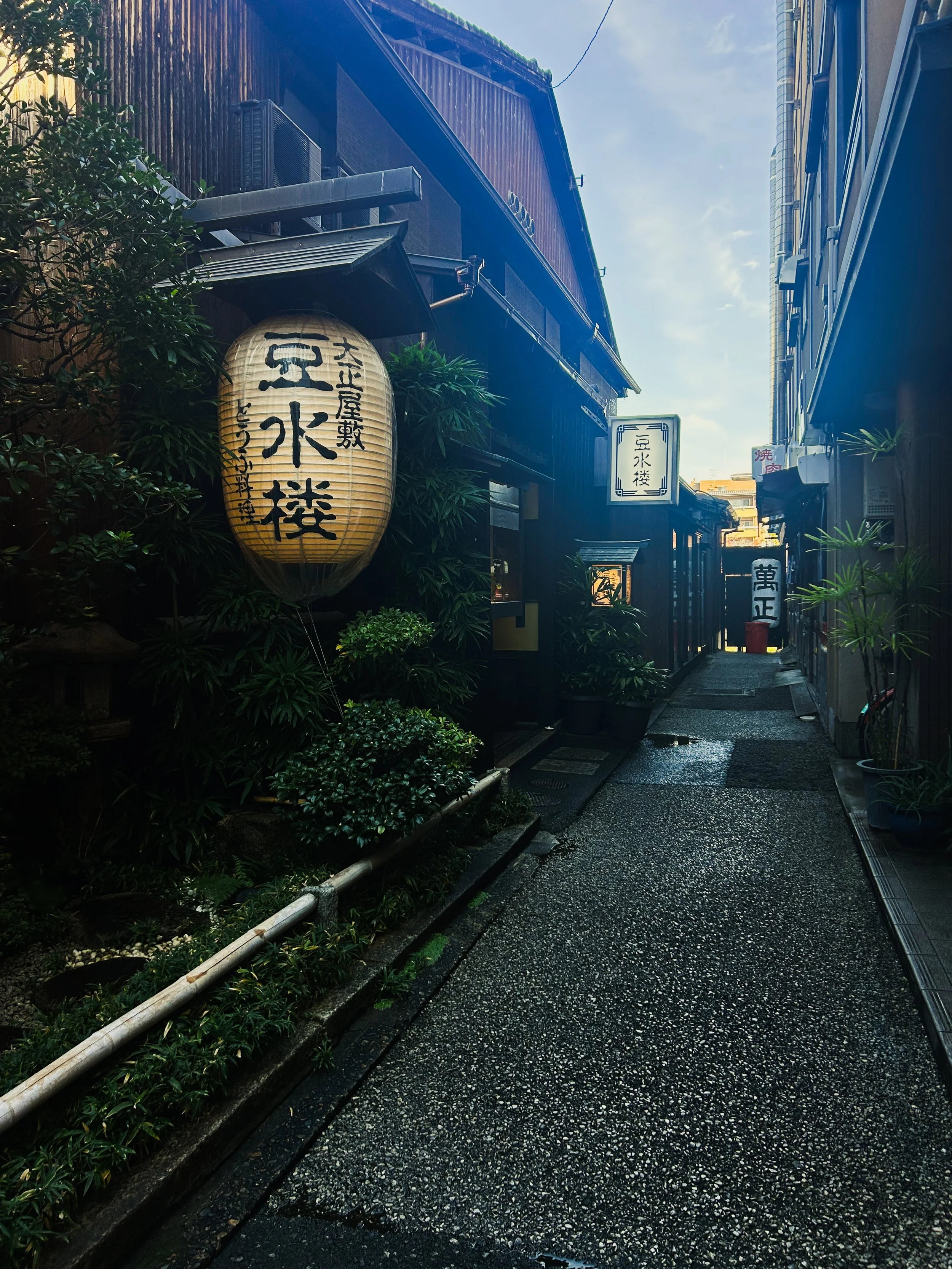
The passageway that led to Tousuiro Kiyamachi, Kyoto
As it turns out, out of the thousands of restaurants in Kyoto, I had unbelievably steered myself to one of the two Yu-dofu restaurants I had wanted to try. It wasn’t that I recognized its name as the sign was in Japanese. It was that I was meant to enjoy those little, everyday happenings right here. And I made sure I did.
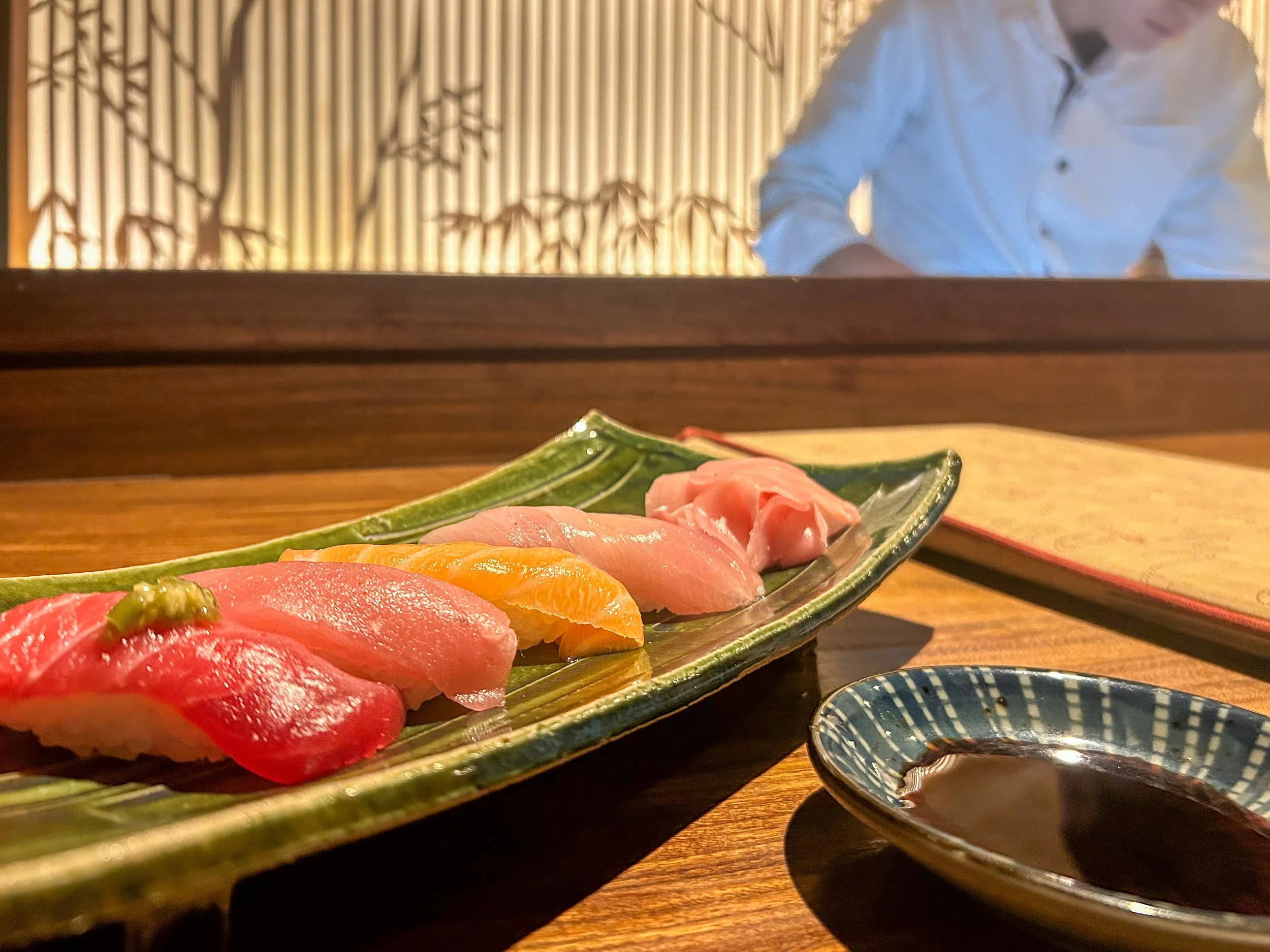
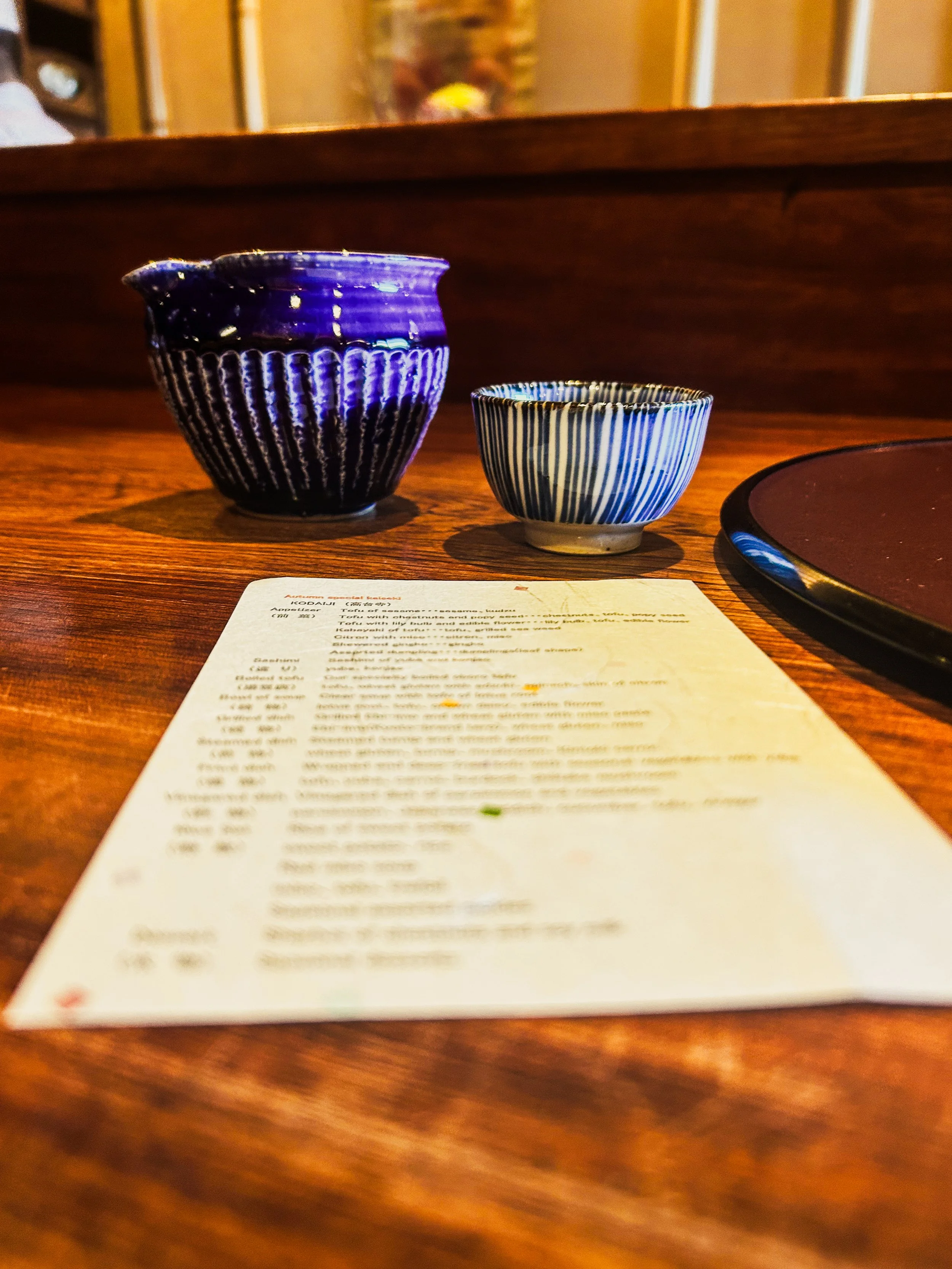
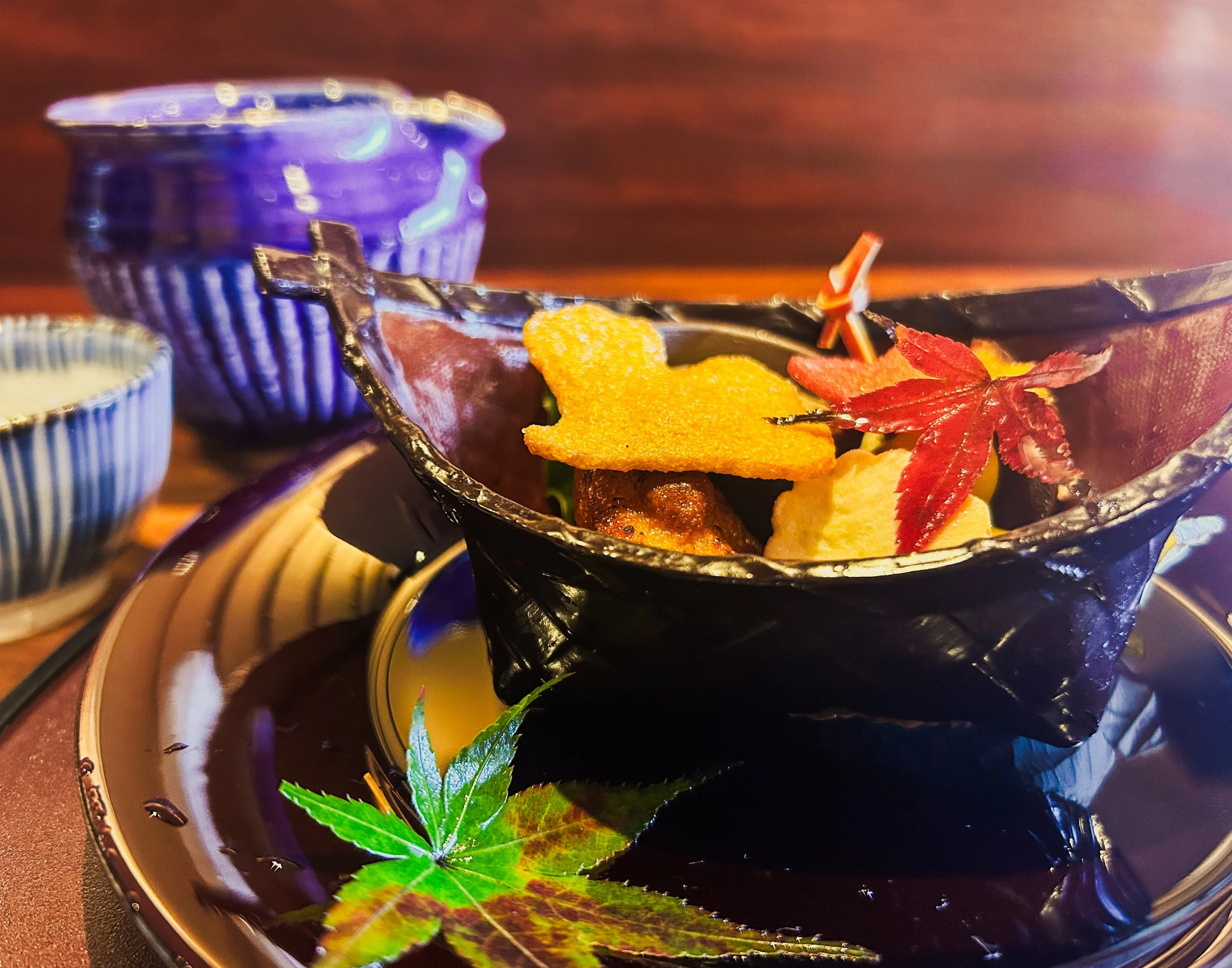
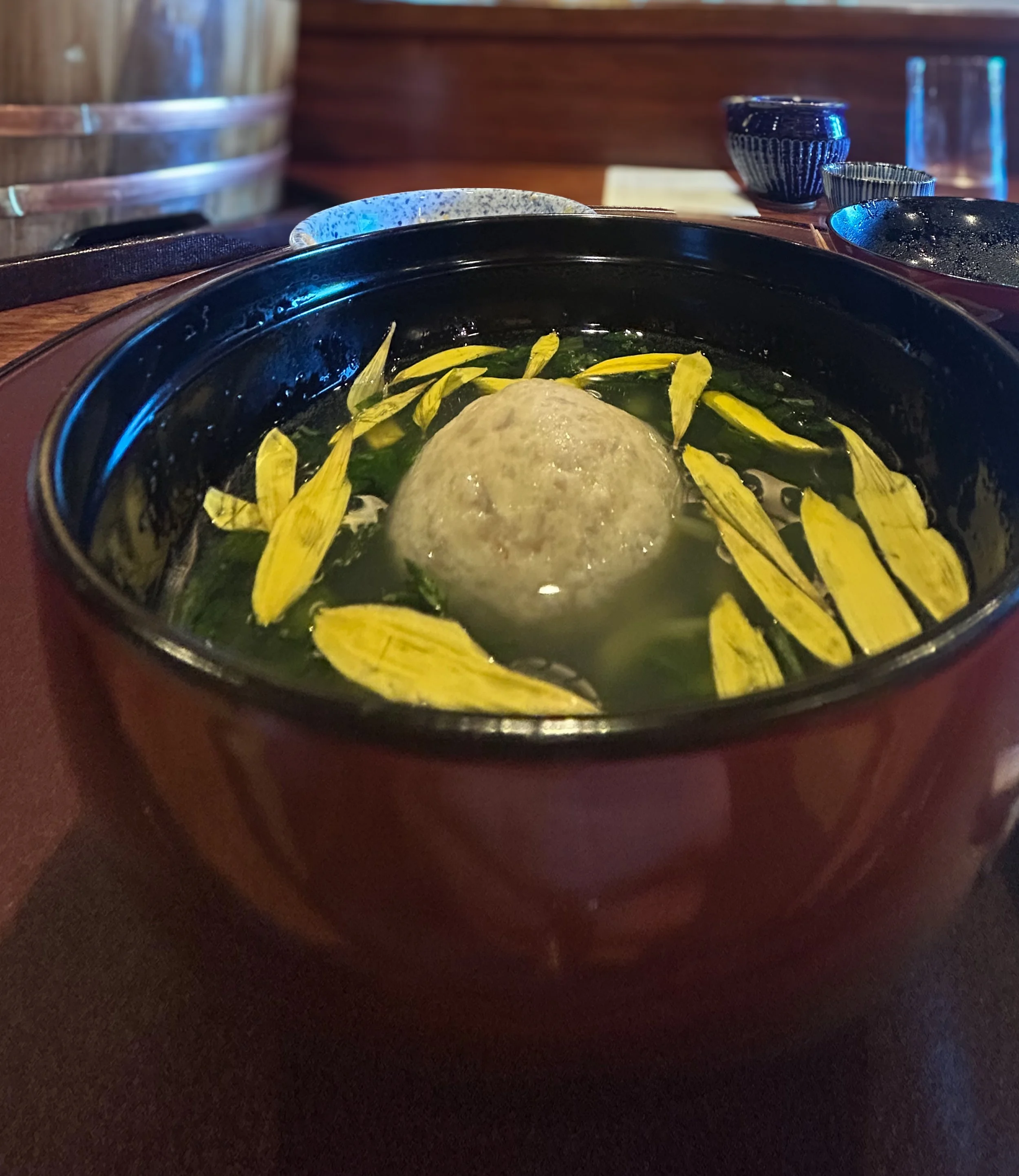
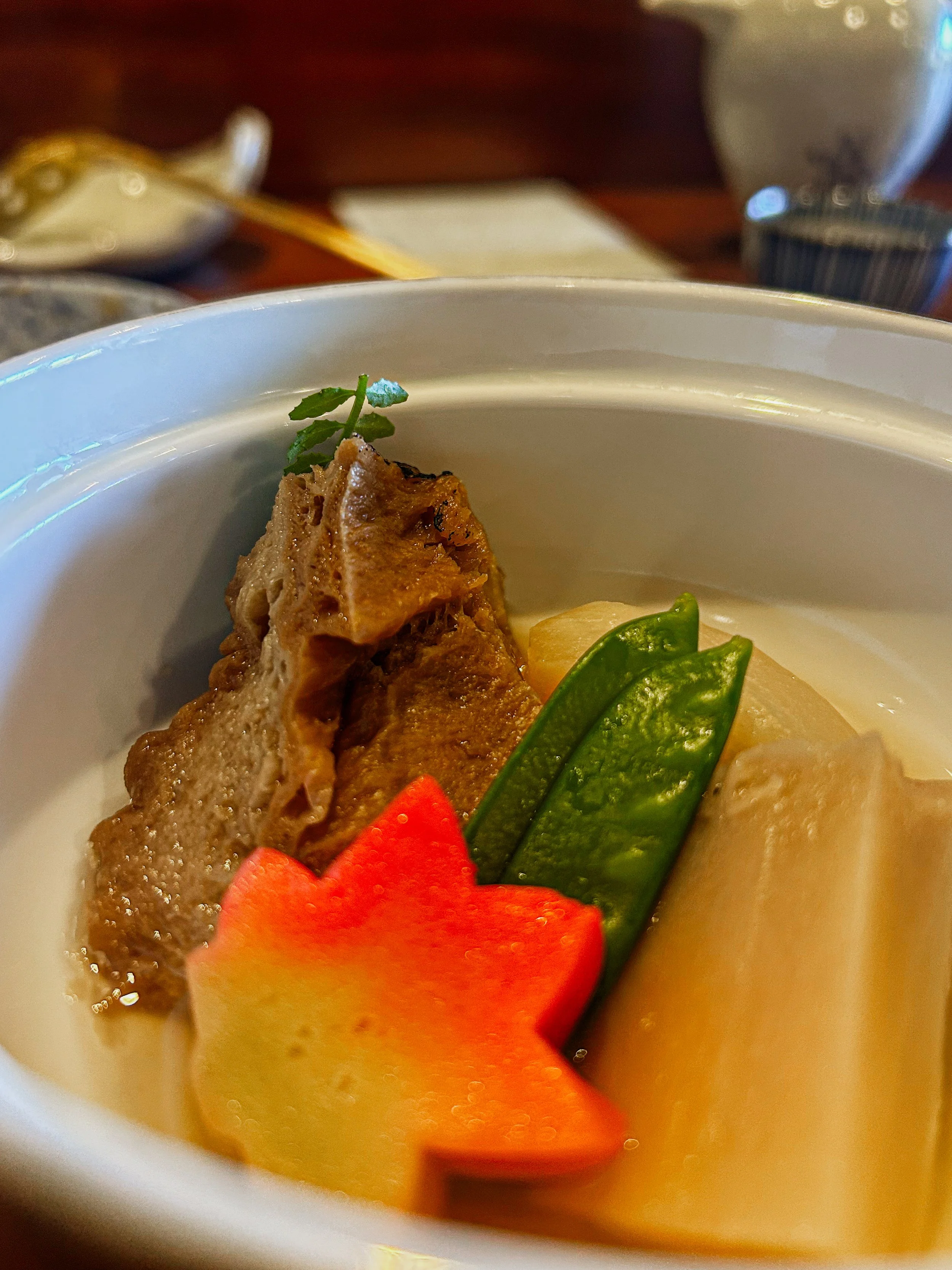
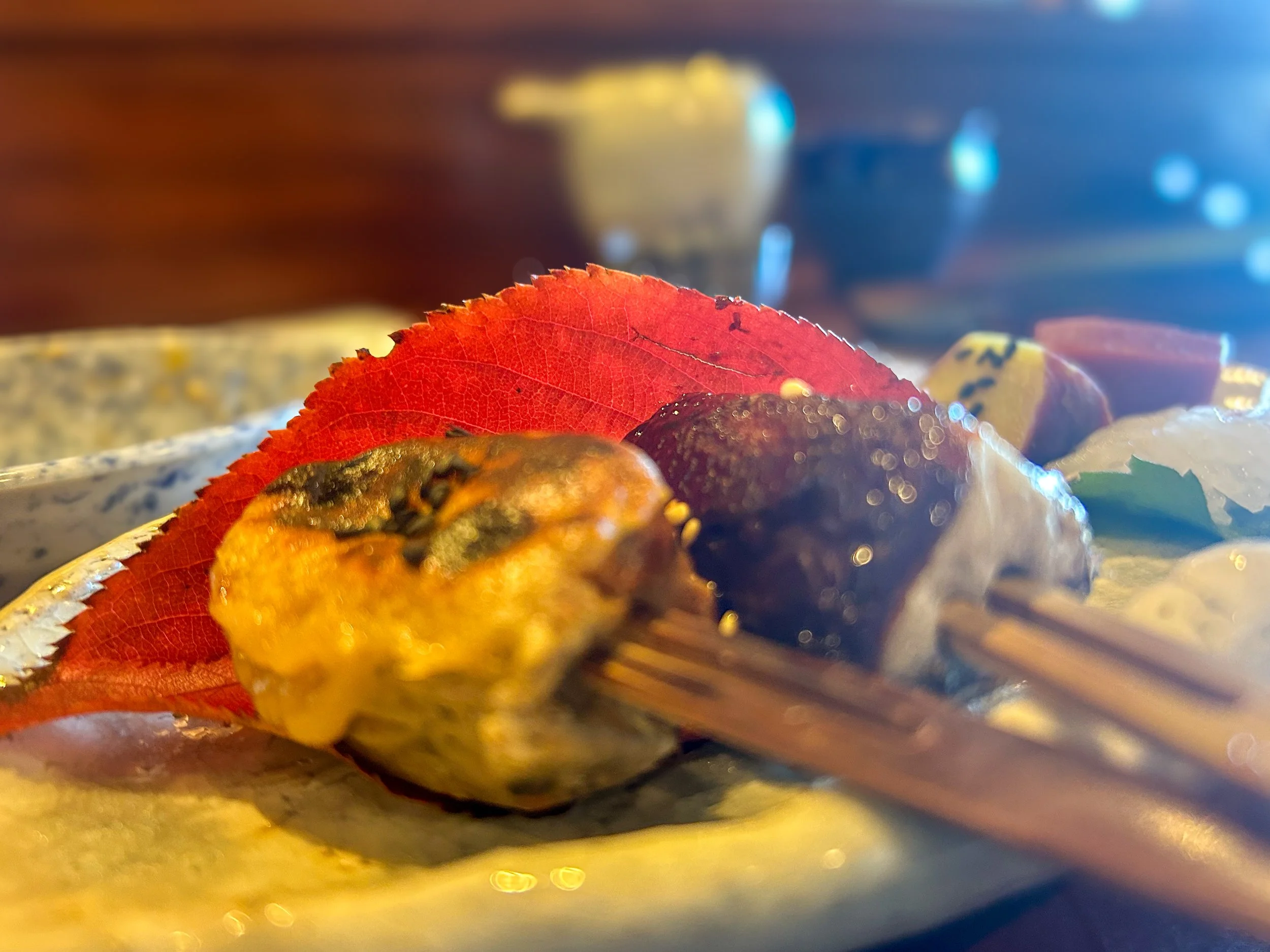
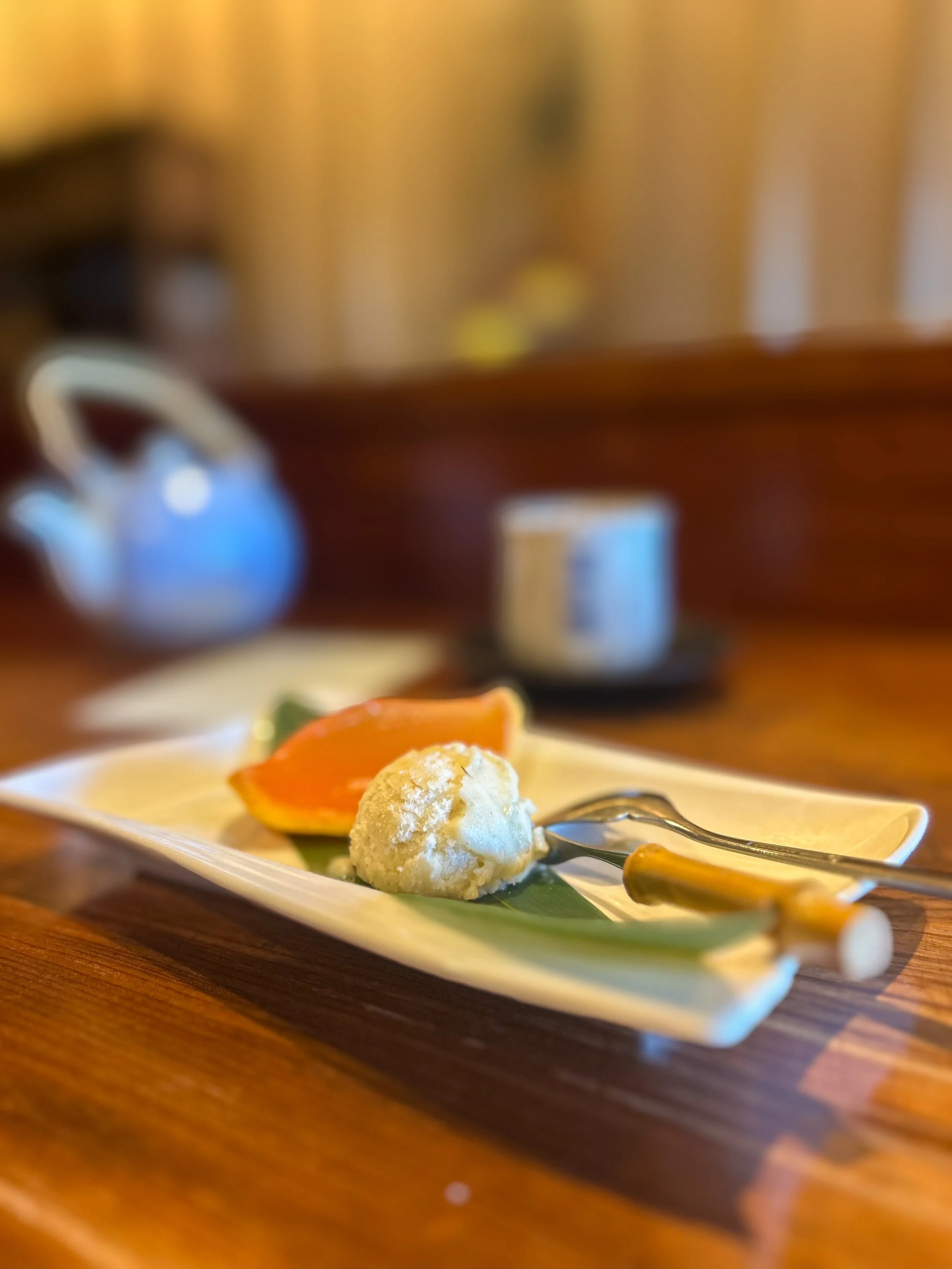
I loved Yu-dofu and the rest of the Kaiseki tasting menu at Tousuiro Kiyamachi which featured tofu in far more inventive ways than I’d ever tried before. The sweetest young server and a seasoned waitress patiently walked me through how to take each dish, the only way they could, using hand gestures. Remarkably, I noticed as I sat there stealing glimpses of the river through the big window in front of me, they never left my side until they were confident I had understood how to enjoy each and every bite to its fullest.
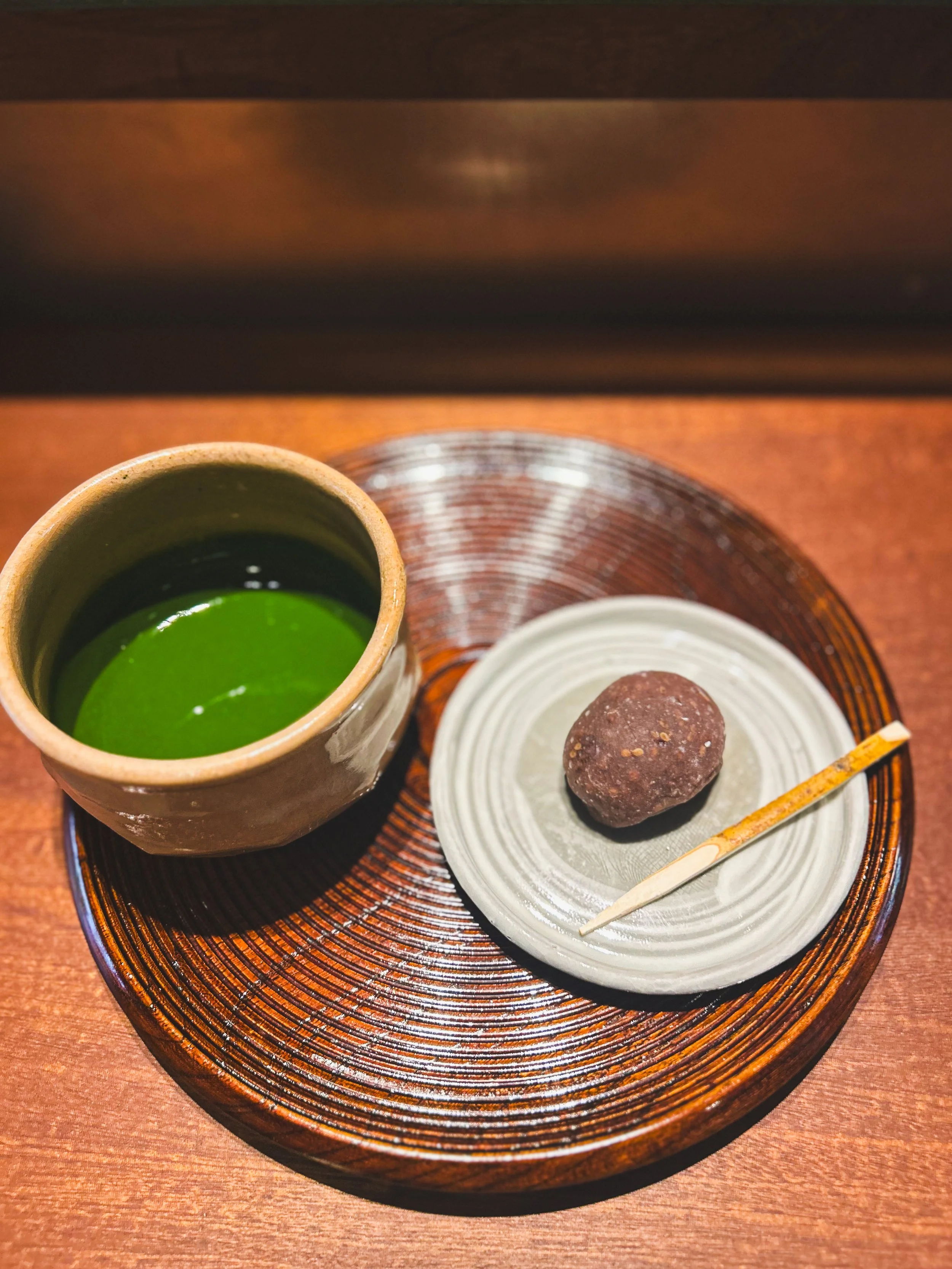
As I made my way through small plate after small plate, I put my phone away and sat quietly at the counter, letting my shoulders fall and my breath slow and deepen. I didn’t put it together then, but looking back on it now, this find, this moment in time and all the collisions and coincidences that led to it had been a most divine ceremony of stillness and taste.
Every week, I send one new Tessera Blog on taste, travel and the truths we collect along the way. If this piece resonated, I’d be honored if you’d share or subscribe.
